Blog

  • Thank you for visiting the Golden Senior Cafe. Today’s topic is “7 Exercises to Sharpen Your Brain.”


    Wherever you are right now — maybe you’ve got a cup of tea warming your hands, maybe the house is quiet, maybe there’s a window nearby with the evening just starting to settle in — I want you to get comfortable. Because tonight, we’re going to talk about something close to my heart. We’re going to talk about your mind.

    I know… for a lot of us, that word — “mind” — can carry a little worry with it these days. Maybe you’ve walked into a room and forgotten why. Maybe a name sat right on the tip of your tongue and just… wouldn’t come. And somewhere in that moment, a small, quiet fear whispers: is this it? Is this just what happens now?

    I want to gently take that fear by the hand tonight, and set it down for a while. Because here’s the truth, and it’s a beautiful one: your brain is not a candle burning down to nothing. It’s more like a garden. And a garden — at any age — can still be tended. It can still grow.

    There’s a word for this in the science, and I promise, it’s the last “textbook” word I’ll use all night, because after this, it becomes something much warmer. The word is neuroplasticity.

    All it really means is this — your brain, no matter if you’re sixty, or seventy-five, or ninety-two, still has the ability to reshape itself. To grow new connections. To reroute around old damage. To learn. Harvard Health has actually published on this directly — their researchers describe how the brain continues adapting through learning and new experience well into our later years. It isn’t fixed in stone. It never was.

    So today isn’t a lecture. It’s more like… a walk through the garden. I’m going to hand you seven small tools — seven brain exercises — the kind you can start tonight, tomorrow morning, this weekend. Nothing complicated. Nothing that requires a gym membership or a prescription. Just… intention. And a little curiosity.

    Let’s begin.


    First, use your other hand.

    I mean this quite literally, my friend. Tomorrow morning, try brushing your teeth with your non-dominant hand. Stir your coffee with the other one. Sign your name — just once — with the hand that feels clumsy and unfamiliar.

    It’ll feel silly. It might even feel a little frustrating. But here’s what’s happening underneath — neurologists call this kind of exercise “neurobics,” and the idea is simple: when you force your brain out of its well-worn grooves, out of autopilot, it has to build brand-new neural pathways just to handle something as ordinary as holding a spoon. That effort — that small, strange effort — is exactly the kind of stimulation that keeps the mind agile.

    Small, strange, unfamiliar movements. That’s the whole exercise. Isn’t it wonderful how something so tiny can matter so much.

    Everyone, you haven’t lost your way. You are in the process of improving your brain.


    Second, try taking a different path.

    This one is close to the first, but it lives in a different part of your day. The next time you walk to the mailbox, or drive to the market, take a different route. Rearrange the furniture in a room you’ve walked through the same way for twenty years.

    Why does this matter so much? Because your brain, quite lovingly, tries to save energy by putting familiar routines on autopilot. And autopilot, while comfortable, doesn’t ask anything new of you. When you change the path — even by one turn, one aisle, one small detour — your brain has to pay attention again. It has to build a new little map. And every new map is a new set of connections.


    Third, try learning a language. Even just a little bit is fine.

    Now, this one — this one has some of the most touching research behind it. Studies looking at bilingual older adults — including work out of institutions like the Baycrest Health Sciences Centre in Canada — have found that people who speak more than one language often show symptoms of dementia appearing three to five years later than those who speak only one. Three to five years, my friend. That’s not nothing. That’s time. That’s more birthdays, more conversations, more mornings.

    You don’t need to become fluent. Even learning ten new words in French, or picking up a few phrases in Spanish for that trip you’ve been dreaming about — it builds something researchers call cognitive reserve. Think of it as extra scaffolding in the mind. Extra rooms your brain can wander into, even if one hallway gets a little narrow with age.

    Every new word is a small brick in that scaffolding.


    Fourth, bring music back into your life.

    If there’s an instrument gathering dust in a closet somewhere — a piano, a guitar, even an old harmonica — I want you to think about it tonight.

    Learning music, or even simply learning to listen more actively — following the different instruments in a piece, humming along, trying to hum harmony instead of melody — engages an extraordinary number of brain regions all at once. Memory, movement, emotion, and sound processing, all working together, almost like a small orchestra rehearsing inside your own skull.

    You don’t have to be good at it. Goodness, no one starts out good at it. The brain doesn’t care about the applause. It cares about the reaching.


    Fifth, keep moving your body. Your mind is listening.

    This one might surprise you, because it doesn’t sound like a “brain” exercise at all. But a gentle walk, some light stretching, even dancing slowly in your kitchen to that old jazz record — this is one of the most well-documented ways to protect your mind.

    Here’s why. Physical movement — especially aerobic activity, even something as gentle as a brisk walk — increases a protein in your brain called BDNF, brain-derived neurotrophic factor. Harvard Health describes it almost like fertilizer for your neurons — it helps brain cells grow and helps new connections take root. And research following older adults over a full year found something remarkable: those who kept up regular walking actually showed larger hippocampal volume — the hippocampus being the part of the brain most closely tied to memory — compared to those who stayed still.


    Sixth. Call someone. And have a fun conversation.

    Not a text. Not a quick message. A real conversation — the kind where you hear a voice, where you laugh at the same moment, where there’s a pause and neither of you rushes to fill it.

    Loneliness has been studied quite extensively now, and researchers consistently find that social engagement — real, sustained connection — supports memory and cognitive clarity as we age. Harvard’s own research on cognitive fitness places social connection right alongside diet and exercise as one of the pillars of a resilient mind. Conversation, it turns out, is a workout. Every back-and-forth, every “wait, tell me more about that,” is your brain doing something wonderfully complex — listening, interpreting, remembering, responding, all in real time.

    So call your sister tonight. Call that old friend from work. Not because you have news. Just because your mind — and theirs — will be better for it.


    Seventh. Give yourself permission to return to being a beginner.

    This last one isn’t so much an exercise as it is a posture — a way of holding yourself in the world. Take up something you’ve never tried. A recipe from a cuisine you’ve never cooked. A card game you don’t yet understand. A jigsaw puzzle, painting, knitting, chess with a grandchild who will absolutely beat you the first ten times.

    The research on this is wonderfully consistent — novel, challenging, unfamiliar activities are some of the strongest builders of cognitive reserve we know of. Not because you’ll master them. Because you won’t, not right away. And that struggle, that beautiful, humbling struggle of being new at something — that’s precisely when your brain is working hardest, and growing the most.


    You get the idea, right? There are seven small doors, and if you open even just one of them a crack, a little more light streams into the garden.

    I want you to remember something before you go to sleep tonight. Your mind was never a fortress meant to be defended against time. It’s a living thing. A garden, like I said at the start — and gardens don’t ask to be perfect. They don’t ask to be young forever. They only ask to be tended, gently, a little at a time. A new word here. A different path there. A phone call. A song. A hand you don’t usually use, holding a pen, writing something new.

    Bloom is not something that happens once, in youth, and then is over. Bloom is something a mind can do again and again, at sixty, at seventy-five, at ninety-two — every single season it’s given.

    Thank you for spending this quiet time with me tonight. I’ll be right here, same time, same warm light, whenever you’d like to come back.

    Take good care of that beautiful garden of yours.


    And before I let you go — just a small, caring note. The tips we shared tonight are meant for general wellness and enrichment, not as a diagnosis or a treatment for any medical or cognitive condition. If you or someone you love is noticing changes in memory or thinking that feel concerning, please do reach out to a trusted doctor or healthcare provider. You deserve real answers from someone who knows your full story — and we’ll always be here to walk alongside you in the meantime.

  • Peanut Butter Before Bed: What the Sleep Science Actually Says About This Viral Bedtime Ritual

    A wave of recent videos and articles has pushed a deceptively simple idea into the mainstream wellness conversation: eating a tablespoon of peanut butter before bed can measurably change how you sleep and recover overnight. It is easy to dismiss this as another fleeting food fad, but the underlying physiology is not new — it is the product of decades of nutritional biochemistry and sleep-medicine research that has, until now, mostly stayed inside academic journals.

    This matters right now for a specific reason. Public health data consistently shows that roughly a third of adults fail to get sufficient nightly sleep, and the supplement industry has responded with an explosion of synthetic sleep aids, melatonin gummies, and proprietary blends. Against that backdrop, a whole-food intervention — cheap, shelf-stable, and already sitting in most kitchen cupboards — deserves a serious, evidence-based look rather than a superficial “life hack” treatment.

    This article goes beyond the viral claim. We will break down the actual biochemical pathways involved, cross-reference the claims against peer-reviewed clinical trials and systematic reviews, and translate the findings into practical guidance you can actually use tonight.

    The Tryptophan-to-Melatonin Pathway

    The central mechanism cited in almost every version of this trend is tryptophan, one of nine essential amino acids the human body cannot synthesize on its own and must obtain from food. A standard two-tablespoon serving of peanut butter supplies roughly 74 milligrams of tryptophan, alongside meaningful amounts of magnesium, niacin, and vitamin B6.

    The biochemical sequence works as follows:

    1. Tryptophan is absorbed into the bloodstream after digestion.
    2. It crosses the blood-brain barrier, where it is enzymatically converted first into 5-HTP (5-hydroxytryptophan).
    3. 5-HTP is then converted into serotonin, a neurotransmitter involved in mood regulation.
    4. In low-light conditions, serotonin is further converted into melatonin, the primary hormone governing the sleep-wake cycle.

    Vitamin B6 acts as a necessary cofactor in this conversion chain, which is why peanut butter’s B6 content is often highlighted alongside its tryptophan content — the two nutrients work synergistically rather than independently.

    Blood Sugar Stability: The Underappreciated Mechanism

    A second, less publicized mechanism may be just as important as the tryptophan pathway: overnight glycemic stability. Blood glucose naturally drops during the night as stored glycogen is depleted. When it dips too sharply, the body compensates by releasing cortisol and adrenaline — stress hormones that are excellent at waking you up and poor at helping you fall back asleep.

    Peanut butter’s macronutrient profile (roughly 8 grams of protein and 16 grams of fat per two tablespoons) slows gastric emptying and blunts this glucose swing. This is functionally the opposite of a high-glycemic bedtime snack like crackers or sweetened cereal, which spikes insulin and often produces a compensatory blood sugar crash by midnight.

    Magnesium and Nervous System Regulation

    Peanut butter also contributes magnesium, a mineral involved in GABA signaling — the primary inhibitory neurotransmitter system responsible for calming neural activity and easing the transition into sleep. Magnesium deficiency is common, particularly among older adults, and has been independently linked to poorer sleep architecture in multiple clinical studies (detailed in Section 2).

    It is important to be precise here: no clinical trial has isolated peanut butter itself as a sleep intervention. The evidence supporting this trend is indirect but robust, built from three separate, well-established bodies of research.

    1. Pre-Sleep Protein Ingestion and Overnight Recovery

    Researchers at Maastricht University’s NUTRIM School of Nutrition have run one of the most rigorous research programs on this topic. Their work demonstrated that protein consumed before sleep is effectively digested and absorbed overnight, meaningfully increasing overnight muscle protein synthesis rates. In one landmark trial, muscle protein synthesis rates were roughly 22% higher overnight in participants who consumed casein protein before bed compared to a placebo group.

    A follow-up trial extended this finding across a 12-week resistance-training program and found that pre-sleep protein ingestion led to significantly greater gains in muscle mass, type II fiber size, and overall strength compared to a placebo condition — with no difference in total daily calorie intake between groups. This addresses a common objection to nighttime snacking: when protein-rich foods replace rather than add to overall intake, weight gain is not an automatic consequence.

    2. Diet Quality and Sleep Architecture

    Research published in Advances in Nutrition has found that overall dietary patterns — particularly diets rich in protein, fiber, and healthy fats while low in saturated fat and added sugar — are associated with measurably better sleep quality. A related study in the Journal of Clinical Sleep Medicine reached a similar conclusion: higher-quality diets predicted better subjective and objective sleep outcomes. Peanut butter, especially natural varieties without added sugar or hydrogenated oils, fits squarely within this dietary pattern.

    3. Magnesium Supplementation Trials

    Multiple randomized, placebo-controlled trials have tested magnesium directly against insomnia symptoms:

    • A double-blind trial in elderly adults with primary insomnia found that magnesium supplementation improved sleep efficiency from roughly 75% to 85%, alongside longer total sleep time and fewer early-morning awakenings.
    • A 2021 systematic review and meta-analysis pooling three randomized controlled trials in older adults found that magnesium supplementation reduced sleep onset latency by over 17 minutes compared to placebo, though the authors cautioned that overall evidence quality remains low to moderate.
    • More recent trials using magnesium bisglycinate and magnesium L-threonate have shown statistically significant improvements in validated insomnia severity scores over 3–4 week periods.

    Peanut butter contains far less magnesium than a therapeutic supplement dose, so it should be understood as a modest contributor to this pathway rather than a standalone treatment.

    How to Apply This Correctly

    Based on the convergence of the evidence above, here is how to translate the science into a usable nightly protocol:

    • Portion size: One to two tablespoons (roughly 16–32 grams) is the effective range. More does not appear to add benefit and adds unnecessary calories.
    • Timing: Consume 30 to 60 minutes before your target bedtime, giving digestion time to begin without leaving you too full to fall asleep comfortably.
    • Pairing: A small amount of complex carbohydrate (whole-grain toast, a small banana) can improve tryptophan’s competitive uptake across the blood-brain barrier, since carbohydrates trigger an insulin response that clears competing amino acids from the bloodstream.
    • Product selection: Choose natural peanut butter with peanuts (and optionally salt) as the only ingredients. Added sugars and partially hydrogenated oils undercut the blood-sugar-stabilizing mechanism that makes this snack effective in the first place.
    • Who should avoid it: Anyone with a peanut allergy, and individuals prone to acid reflux or GERD, who may find that fat content delays gastric emptying and worsens nighttime symptoms.

    Business and Product Development Angle

    For brands operating in the functional food, sports nutrition, or sleep-wellness categories, this research trend signals a genuine white-space opportunity. The whole-food, evidence-adjacent positioning of peanut butter aligns with a broader consumer shift away from synthetic supplements toward pantry staples with functional backing. Product formats worth exploring include:

    • Single-serve, portion-controlled natural peanut butter packets marketed specifically for evening use.
    • Peanut-butter-based protein snacks fortified with modest, food-grade magnesium to more directly target the mechanisms described above.
    • Educational content marketing that accurately cites the Maastricht protein-synthesis research and magnesium trials, rather than vague “boosts melatonin” claims — a differentiator in an increasingly skeptical wellness market.

    The Outlook

    Expect to see more targeted research in this space. The existing literature strongly supports the individual mechanisms — pre-sleep protein’s effect on overnight muscle repair, magnesium’s role in nervous system regulation, and diet quality’s broader relationship to sleep architecture — but a dedicated randomized controlled trial isolating peanut butter specifically would meaningfully strengthen the evidence base and likely attract funding interest from both academic nutrition departments and consumer packaged goods companies.

    The “peanut butter before bed” trend is a rare case where a viral wellness claim holds up reasonably well against the underlying science — not because peanut butter is a miracle food, but because its macronutrient and micronutrient profile happens to align with three independently validated sleep and recovery mechanisms: tryptophan-driven melatonin synthesis, overnight blood glucose stabilization, and magnesium-supported nervous system regulation. It is not a substitute for treating diagnosed sleep disorders, but as a low-cost, low-risk addition to a bedtime routine, it is defensible on the evidence.

    Some argue that peanuts are prone to contamination by “aflatoxin”—a carcinogenic mold toxin—because they grow underground. However, you can consume products from major manufacturers or standard peanut butter purchased at supermarkets or stores with confidence, as they undergo toxin testing in compliance with strict national standards.

    However, some low-cost peanut butters contain high levels of sugar, high-fructose corn syrup, and artery-clogging trans fats (hydrogenated oils) to enhance flavor and shelf life. Excessive daily consumption of such processed peanut butter can increase the risk of vascular dementia or metabolic syndrome. It is not the peanuts themselves that are the problem, but the additives.

    Check the back of the package for the nutritional information, and make sure to choose and consume a product that contains absolutely no sugar, salt, or hydrogenated vegetable oil (emulsifiers)—one labeled simply as “100% peanuts” or “99.x% peanuts + a little salt.”

    Disclaimer: This article is intended for general informational and educational purposes only and does not constitute medical, nutritional, or clinical advice. The studies referenced involve specific populations, dosages, and methodologies that may not generalize to every individual. Readers with diagnosed sleep disorders, food allergies, gastrointestinal conditions, or other underlying health concerns should consult a licensed physician, registered dietitian, or qualified healthcare provider before making changes to their diet or bedtime routine.

  • Paid AI Training for Seniors: Free AARP AI Classes, SCSEP Program 2026 Eligibility & How to Make Money with AI Over 50

    For decades, the “digital divide” was framed as something older adults simply had to live with. That framing is outdated. In 2026, federal programs, national nonprofits, and a wave of small businesses are actively paying, training, and hiring adults over 50 to learn and apply Artificial Intelligence — and the research on aging brains suggests this couldn’t come at a better time. Below, we break down three verified, real-world paths into the AI economy, along with the neuroscience explaining why this pivot may be as good for your brain as it is for your bank account.

    Why Age Is an Asset in the AI Era

    It’s a common myth that the aging brain loses its capacity to learn new, complex skills. Decades of research on neuroplasticity — the brain’s ability to reorganize itself by forming new neural connections — show that this capacity persists well into late life. Learning a genuinely novel, cognitively demanding skill (not just a passive hobby) is one of the most consistently supported ways to build Cognitive Longevity and strengthen what researchers call “cognitive reserve,” a buffer that helps the brain resist age-related decline.

    Older adults also bring something the AI industry desperately needs: real-world judgment, patience, and life experience that no algorithm can replicate. Where a 25-year-old engineer might breeze past a confusing chatbot interface, a 68-year-old user will immediately spot the exact friction points that frustrate the fastest-growing customer demographic in America. That’s not a disadvantage — it’s a marketable skill.

    Section 1: Free AI Onboarding via Senior Planet from AARP

    What It Offers

    Senior Planet from AARP is a free national program offering live, instructor-led technology classes delivered both virtually over Zoom and in person at senior centers around the country. Its course catalog now includes a dedicated “Exploring AI Series,” which walks participants through the AI tools already woven into daily life, explains how to use generative AI for everyday tasks like drafting emails or creating images, and teaches practical safety skills like spotting AI-generated content.

    Why This Matters for Risk-Free Digital Onboarding

    The single biggest barrier to older adults engaging with new technology isn’t ability — it’s fear of making a costly or embarrassing mistake. Senior Planet’s model removes that risk entirely: the classes are completely free, taught live by patient instructors, and designed specifically for learners who may be picking up a smartphone-based AI tool for the very first time. This “low-stakes practice” environment mirrors what cognitive aging researchers recommend for skill acquisition in older adults — structured, repeated, socially-supported practice rather than solitary trial and error.

    How to Get Started

    • Visit seniorplanet.org to browse current course listings by location or virtual session.
    • Look for multi-week series like “Exploring AI,” “AI All Around,” or tool-specific classes covering AI voice and video generators.
    • Register for a Zoom-based class if you don’t have a nearby physical Senior Planet or AARP center location.
    • Attend consistently — like any new skill, AI fluency compounds with repeated, spaced practice rather than a single session.

    Section 2: Getting Paid to Learn — The Senior Community Service Employment Program (SCSEP)

    What SCSEP Actually Is

    The Senior Community Service Employment Program (SCSEP) is a real, federally funded program authorized under the Older Americans Act and administered by the U.S. Department of Labor. It provides paid, part-time community service training — typically an average of 20 hours per week — at nonprofit and public agencies such as schools, hospitals, libraries, and senior centers. Participants are paid the highest of the federal, state, or local minimum wage while they train, and the program is explicitly designed as a bridge into unsubsidized, permanent employment.

    2026 Eligibility Rules

    To qualify for SCSEP, you generally must meet these criteria, confirmed directly against dol.gov’s SCSEP program page and the official 2026 HHS poverty guidelines:

    • Age 55 or older and currently unemployed.
    • Household income at or below 125% of the Federal Poverty Guidelines. For 2026, that threshold is approximately $19,950 per year for a one-person household and $27,050 per year for a two-person household (figures are higher in Alaska and Hawaii).
    • Legally eligible to work in the United States.
    • Priority enrollment is given to applicants 65 and older, veterans and their spouses, individuals with disabilities, and those at risk of homelessness.

    How SCSEP Connects to AI Skills

    Many SCSEP host-agency placements now include digital literacy and technology-based tasks as part of the community service assignment — meaning participants aren’t just earning a wage, they’re actively building the kind of on-the-job digital fluency (including exposure to AI-assisted workplace tools) that translates directly into future employment prospects.

    How to Apply

    • Use CareerOneStop’s Older Worker Program Finder or call the SCSEP toll-free help line at 1-877-US2-JOBS (1-877-872-5627).
    • Contact your state workforce agency — many states, including Texas, partner directly with the AARP Foundation to administer local SCSEP sites.
    • Bring proof of age, income, and unemployment status to your intake appointment.
    • Ask specifically whether priority enrollment applies to you (age 65+, veteran status, disability, or homelessness risk).

    Section 3: The “Senior AI Quality Control Expert” Side Hustle

    The Opportunity

    As small businesses — dentists’ offices, pizzerias, local clinics, retail shops — rapidly deploy AI-powered customer service chatbots, they face a blind spot: most of these tools are built and tested by younger developers who don’t experience the same friction points older customers do. This creates a genuine, monetizable niche for what we’ll call a Senior AI Usability/Quality Control Expert — essentially a digital mystery shopper who tests these tools specifically through an older adult’s lens.

    What You’re Actually Evaluating

    Usability Testing for this niche means assessing a business’s AI chatbot or voice assistant across the specific factors that matter most to older users:

    • Readability: Is text large enough, high-contrast, and free of tiny or low-contrast fonts?
    • Pacing: Does the chatbot rush through options, or does it allow time to read and respond?
    • Clarity of language: Does it use plain, jargon-free phrasing, or confusing tech-speak?
    • Error recovery: If you make a mistake or get confused, does the bot help you recover gracefully, or does it dead-end?
    • Voice interface quality: For phone-based AI systems, is speech clear, appropriately paced, and easy to interrupt or repeat?

    Step-by-Step Guide to Starting This Side Hustle

    1. Practice first: Complete a free AI literacy course (like Senior Planet’s “Exploring AI Series”) so you can speak knowledgeably about AI interfaces, not just react to them.
    2. Build a simple checklist: Create a one-page evaluation rubric covering readability, pacing, clarity, and error recovery — this becomes your professional “product.”
    3. Start local and small: Approach small businesses you already frequent — a local pizzeria, salon, or medical office — and offer a trial test session.
    4. Frame your pitch clearly: Explain that you represent their fastest-growing customer segment and can identify friction points a 25-year-old developer would never notice.
    5. Set a per-test consulting fee: Many practitioners in this early niche charge in the range of $100–$150 per test, delivered as a short written report plus a brief verbal walkthrough.
    6. Collect testimonials and referrals: A handful of completed tests for well-regarded local businesses becomes your best marketing tool for the next client.

    Safety First: How to Spot AI-Enhanced Scams

    As legitimate opportunities in this space grow, so do scams designed to imitate them. Please remember:

    • Legitimate programs like SCSEP and Senior Planet from AARP are completely free to join or apply to. No legitimate program will ever ask you to pay an “enrollment fee” or “processing fee” upfront.
    • No real government agency or nonprofit will call you out of the blue demanding your Social Security number, bank routing number, or Medicare number to “release” a job offer, training slot, or paycheck.
    • Be wary of unsolicited “AI job” offers promising large payments for minimal work, especially if they pressure you to act immediately or communicate only through text or messaging apps.
    • Always verify opportunities through official channels: dol.gov, seniorplanet.org, or your state workforce agency — never through a link in an unsolicited email or text.

    Conclusion: It’s Never Too Late to Master Technology

    The evidence is clear on two fronts: your brain remains capable of learning complex new skills well into your 60s, 70s, and beyond, and the AI economy is actively creating paid, structured pathways for older adults to do exactly that. Whether you start with a free Senior Planet class, enroll in SCSEP, or launch your own usability-testing side hustle, age isn’t the barrier here — it’s the qualification.


    Disclaimer: This article is for general informational and educational purposes only and does not constitute financial, career, medical, or legal advice. Program eligibility, income thresholds, and wage rates are subject to change and vary by state; please confirm current details directly with the U.S. Department of Labor (dol.gov), Senior Planet from AARP (seniorplanet.org), or your local workforce agency before making employment or financial decisions.

  • Social Security July Benefits Guide: Medicare Savings Program 2026, LIHEAP & SSI — 3 Hidden Programs Seniors Are Missing

    Every year, billions of dollars in federal assistance go unclaimed simply because eligible seniors don’t know these programs exist — or wrongly assume their Social Security check disqualifies them. With the 2026 Cost-of-Living Adjustment (COLA) reshaping income thresholds, some seniors who were turned away in prior years may now qualify. Below, we break down three federal programs — verified directly against Medicare.gov, SSA.gov, and the Administration for Children and Families (ACF.gov) — that could put thousands of dollars back into your household budget this year.

    The Core Update

    Medicare Savings Programs are state-run programs, funded through Medicaid, that can take over your Medicare Part B Premium entirely — and in some cases, wipe out your deductibles and copays too. In 2026, the standard Part B premium is $202.90/month. Enrolling in an MSP can save qualifying seniors more than $2,400 a year, and automatically triggers “Extra Help” — a related benefit that caps your prescription drug copays at $5.10 for generics and $12.65 for brand-name drugs.

    There are three main tiers, each with a different income ceiling and level of coverage:

    • Qualified Medicare Beneficiary (QMB): Covers Part A and Part B premiums, plus all deductibles, copays, and coinsurance. 2026 federal income limit: approximately $1,350/month (single) and $1,824/month (couple).
    • Specified Low-Income Medicare Beneficiary (SLMB): Covers the Part B premium only. 2026 federal income limit: approximately $1,616/month (single) and $2,184/month (couple).
    • Qualifying Individual (QI): Also covers the Part B premium only, for slightly higher incomes. 2026 federal income limit: approximately $1,816/month (single) and $2,455/month (couple).

    Official Policy Context

    These figures are confirmed directly on Medicare.gov’s Medicare Savings Programs page. Asset limits generally run around $9,660 (individual) and $14,470 (couple) for QMB/SLMB, and slightly higher for QI — but critically, your primary home and one vehicle are excluded from these asset calculations. Many states also apply more generous limits than the federal floor; Connecticut, Delaware, Louisiana, Maine, and Mississippi, for example, have eliminated the asset test entirely, and Massachusetts allows income up to 225% of the federal poverty level with no asset test at all. QI funding is capped annually by Congress and awarded on a First-Come, First-Served basis, so timing your application matters.

    Practical Steps for Seniors

    • Apply even if you think your income is “too high.” Your state may use higher limits than the federal minimums, and $20/month of income is automatically excluded from the calculation.
    • Contact your local State Health Insurance Assistance Program (SHIP) for free, unbiased, one-on-one help with your MSP application — find your state’s SHIP counselor through Medicare.gov or by calling 1-800-MEDICARE.
    • Gather your documents first: Medicare card, proof of income (Social Security award letter or pay stubs), and bank statements.
    • Renew QI annually — unlike QMB and SLMB, which typically renew automatically, QI requires a fresh application each year.

    The Core Update

    The Low-Income Home Energy Assistance Program (LIHEAP) is a federally funded, state-administered benefit that helps cover home energy costs — and contrary to popular belief, it isn’t just a winter program. Many states now offer a dedicated summer cooling assistance component alongside traditional heating aid, plus separate crisis assistance funds for households facing a utility shutoff or already without power in extreme heat. Typical one-time benefits range from about $200 to $1,000, usually paid directly to your utility provider.

    Official Policy Context

    LIHEAP is administered federally by the Administration for Children and Families (a division of HHS), which allocates block grants to states, territories, and tribal organizations that then run their own local programs. Because funding is limited and distributed on a First-Come, First-Served basis, many states exhaust their allotment before the season ends — some seniors, particularly those over 65 or medically homebound, get priority early application windows in certain states like Georgia. Crisis assistance often has separate funding from the standard seasonal benefit, meaning you may still qualify for emergency help even after the regular application window has closed.

    Practical Steps for Seniors

    • Dial 2-1-1 from any phone, or call the National Energy Assistance Referral (NEAR) hotline at 1-866-674-6327, to find your state or local LIHEAP office immediately.
    • Apply as early as your state’s window opens — don’t wait for a shutoff notice, since funds run out well before the season ends in many states.
    • Ask specifically about crisis assistance if your regular application window has closed; it frequently has separate, later funding.
    • Bring proof of income, ID, Social Security numbers for household members, and a recent utility bill to your application appointment to avoid processing delays.

    The Core Update

    One of the most persistent myths among seniors is that receiving regular Social Security retirement benefits automatically disqualifies you from Supplemental Security Income (SSI). This is false. SSI is a separate, needs-based program, and you can receive both at the same time if your total countable income falls below the federal limit. Following the 2026 Cost-of-Living Adjustment, the maximum federal SSI payment — the Federal Benefit Rate (FBR) — is $994/month for an individual and $1,491/month for an eligible couple, some of the highest levels in the program’s history.

    Official Policy Context

    According to the Social Security Administration, SSI counts most of your Social Security income (after excluding the first $20/month), but critically applies generous Resource Exclusions: your primary home, regardless of value, and one vehicle used for transportation do not count toward the resource limit. The countable resource limit itself is $2,000 for an individual and $3,000 for a couple — figures set by statute in 1989 and not adjusted for inflation, which is exactly why many seniors are surprised to learn they still qualify despite owning a home. If your only income is a modest Social Security check, you may still be eligible for a partial SSI payment that supplements it.

    Practical Steps for Seniors

    • Don’t assume you’re disqualified just because you receive Social Security — apply and let the SSA make the official determination based on your countable income.
    • Contact the SSA directly at 1-800-772-1213 (TTY 1-800-325-0778), or start an application at ssa.gov, to check your eligibility.
    • Confirm your resources are under the limit — remember your home and one vehicle are excluded, but bank accounts, additional property, and most retirement accounts are countable.
    • Ask about automatic Medicaid enrollment: in most states, qualifying for SSI automatically enrolls you in Medicaid as well.

    Critical Warning: How to Avoid Benefit Scams

    Scammers frequently target seniors around benefit announcements like these. Please remember:

    • The SSA, Medicare, and LIHEAP will never call you out of the blue demanding your Social Security number, Medicare number, or bank routing number to “release,” “activate,” or “unlock” a benefit.
    • You will never be asked to pay a fee, buy a gift card, or wire money to receive or continue a government benefit.
    • Legitimate agencies communicate primarily by mail, or through your own initiated contact via official phone numbers and websites (ssa.gov, medicare.gov, benefits.gov).
    • If you receive a suspicious call, hang up and call the agency back directly using the number on your official mail or the agency’s verified website.

    These three programs exist precisely because Congress and the states recognize that a fixed income shouldn’t mean going without health coverage, a cool home in summer, or basic financial support. The rules are more generous — and the income thresholds higher — than most seniors realize. A single phone call to your SHIP counselor, 211, or the SSA could be the difference between struggling and getting the support you’ve already earned.


    1. “Tips for Mastering the ‘Golden Time’ of Document Preparation”

    Many people give up on applying simply because of the required paperwork. Here is some practical advice to prevent that from happening.
    Additional Suggestion: “The biggest hurdle in applying for welfare benefits is gathering the necessary documents. Create a dedicated ‘Welfare Benefits’ folder right now. Simply keeping items like your Social Security Award Letter, a recent bank statement, and copies of utility bills in one place can cut the headaches of the application process in half. Preparing these documents in advance isn’t just a chore—it’s about building a solid ‘shield’ to protect your benefits.”

    2. “The Importance of Proxy Applications and Family Cooperation”

    This section clearly outlines the role of family members when older adults find it difficult to apply on their own.
    Additional Suggestion: “If the application process seems complex or using digital devices proves challenging, do not hesitate to ask your children or close friends for assistance. In particular, using a document such as the ‘Social Security Consent Form (Form SSA-3288)’ can provide the legal authorization needed for your children to check information regarding your benefits or handle related tasks on your behalf. Preparing together as a family is one of the best financial strategies for securing your retirement funds.”

    3. “Benefits are not ‘fixed’.”

    This serves as a reminder that your eligibility for benefits can change depending on shifts in your circumstances.
    Additional suggestion: “Just because you don’t qualify today doesn’t mean you never will. Be sure to notify the relevant authorities immediately if you experience increased expenses due to changes in health, a drop in income, or a change of residence. Welfare policies evolve every year, and your personal situation is also subject to change. Simply making a habit of conducting an ‘annual check-up’ of your benefits—perhaps around your birthday—can help ensure you don’t miss out on financial support.”

    Have a great day today, too.

    Disclaimer: This article is for general informational purposes only and does not constitute financial, legal, or tax advice. Program rules, income thresholds, and benefit amounts vary by state and are subject to change by CMS, the SSA, and the Administration for Children and Families. Please contact your State Health Insurance Assistance Program (SHIP), 2-1-1, or the Social Security Administration (1-800-772-1213) directly to confirm your personal eligibility.

  • Stop Eating Protein Like This After 60: The Breakfast Timing Mistake Quietly Draining Your Muscle

    Meta description: Are you over 60 and eating most of your protein at dinner? Discover the science of anabolic resistance, updated 2026 protein guidelines, and why shifting protein to breakfast may protect your muscle, strength, and independence.

    You may be eating “enough” protein every day and still be losing muscle faster than you should. That’s not a contradiction — it’s a timing problem most people over 60 have never heard about. The standard advice to “just eat more protein” misses something your body has quietly changed about how, and when, it can actually use that protein to build and repair muscle.

    The encouraging news is that this is one of the most fixable issues in senior nutrition. It doesn’t require eating more food overall — often just rearranging when you eat protein throughout the day. Let’s walk through exactly what’s happening in your muscles after 60, what the research shows, and how to restructure your morning meal starting tomorrow.

    The Active Mechanism

    Beginning around age 30, adults lose roughly 3–8% of their skeletal muscle mass per decade, a decline that accelerates noticeably after 60. This condition, called Sarcopenia, isn’t simply “getting older” — it’s a measurable, progressive shift in the balance between muscle protein breakdown and muscle protein synthesis (MPS), the cellular process that continuously repairs and rebuilds muscle tissue. Left unaddressed, this imbalance doesn’t just affect appearance; it directly threatens the strength needed for basic daily tasks, from climbing stairs to recovering from a fall.

    Scientific/Journal Context

    Research on skeletal muscle decline has established that reduced muscle mass and strength are major contributors to increased mortality, illness, and diminished quality of life in older adults, yet standard dietary guidelines have historically failed to account for how these losses actually occur. Because sarcopenia progresses silently and gradually, many people don’t notice the change until strength or balance is already meaningfully affected — making early nutritional intervention especially valuable.

    Practical Lifestyle Fixes

    • Get a simple baseline check: ask your doctor about a grip-strength test or a 30-second chair-stand test, both quick, low-cost ways to screen for early muscle decline.
    • Don’t wait for a diagnosis to act — sarcopenia is far easier to prevent early than to reverse once significant muscle mass is lost.
    • Track how you feel doing everyday tasks (carrying groceries, rising from a low chair) as an informal, ongoing self-check between medical visits.

    The Active Mechanism

    Here’s the piece most people over 60 have never been told: aging muscle becomes less efficient at responding to protein, a phenomenon researchers call anabolic resistance. A younger adult’s muscles reach a near-maximal muscle-building response with around 20–25 grams of protein in a single meal. An older adult’s muscles, due to changes in amino acid transport, blood flow to muscle tissue, and cellular signaling through the mTOR pathway, typically need closer to 35–40 grams in that same single meal to trigger an equivalent response. Eating “the same amount of protein you always have” is, biologically, no longer the same stimulus it once was.

    Scientific/Journal Context

    Research reviewing dietary protein requirements in older adults has consistently found that approximately 25–30 grams of protein per meal is needed to maximally stimulate muscle protein synthesis, a notably higher per-meal threshold than what younger adults require. This same body of research has identified that the leucine threshold — the concentration of this specific amino acid needed to trigger the mTOR signaling cascade — also rises with age, meaning not just the amount of protein but its quality and leucine content increasingly matters after 60.

    Practical Lifestyle Fixes

    • Aim for 25–30 grams of protein per meal as a baseline target, rather than concentrating your daily total into one large meal.
    • Prioritize leucine-rich protein sources such as eggs, dairy, poultry, fish, and whey protein, which trigger the anabolic threshold more efficiently than lower-leucine plant proteins alone.
    • Combining moderate plant and animal protein sources across meals can help those following more plant-forward diets still reach an adequate leucine intake.
    • Discuss individualized targets with your doctor if you have kidney disease, since protein recommendations differ significantly for those with reduced kidney function.

    The Active Mechanism

    Unlike carbohydrate or fat, your body has very limited capacity to “store” excess protein from one oversized meal and use it later to build muscle. A single large dinner serving of protein — even a generous one — produces a similar muscle protein synthesis response to a much smaller, moderate portion, because the anabolic machinery in your muscle can only respond to so much amino acid availability at once. This means that skewing most of your daily protein toward dinner effectively wastes much of its muscle-building potential, while your body goes protein-starved at a cellular level for most of the day.

    Scientific/Journal Context

    National dietary survey data shows the average American adult consumes roughly three times more protein at dinner than at breakfast — approximately 38 grams versus just 13 grams. Controlled feeding research comparing an even protein distribution across meals against this typical skewed pattern found that muscle protein synthesis following a properly portioned breakfast was about 40% higher than following the smaller, skewed breakfast most people default to. Separate NHANES-based analysis found that older adults who consumed at least 30 grams of protein in two or more meals per day had significantly greater leg lean mass and strength compared with those who rarely reached that threshold.

    Practical Lifestyle Fixes

    • Audit your typical day: most people are surprised to discover how little protein they’re actually eating before dinner.
    • Shift, don’t necessarily add: the goal is often redistributing your existing protein intake across the day, not necessarily eating a larger total amount.
    • Treat breakfast and lunch as equal priorities to dinner when it comes to hitting your per-meal protein threshold.
    • Keep a simple 3-day food log occasionally to see your real distribution pattern, since most people underestimate how skewed their intake actually is.

    The Active Mechanism

    Morning protein intake appears to have a particular advantage tied to your body’s daily rhythms: postprandial metabolic responses, including amino acid handling, tend to be more robust earlier in the day. Eating a properly dosed protein meal at breakfast, rather than saving your protein “budget” for dinner, may take fuller advantage of this morning metabolic window, translating into a stronger and more consistent muscle-building signal over the following weeks and months.

    Scientific/Journal Context

    A randomized, double-blind, placebo-controlled trial of 40 elderly women with low habitual breakfast protein intake found that those assigned to consume milk protein in the morning for 12 weeks gained significantly greater muscle mass and handgrip strength compared with those consuming the same protein in the evening. The same research found that a higher ratio of morning-to-total daily protein intake was significantly correlated with better muscle mass and handgrip strength across participants. It’s worth noting, in the interest of full scientific balance, that not every trial agrees: a broader systematic review and meta-analysis of protein timing across mixed adult populations found no significant overall difference between breakfast-focused and evenly distributed protein timing, suggesting total daily protein intake and per-meal dosing may matter more than timing alone for some populations. Taken together, the evidence suggests breakfast protein timing offers a meaningful, low-risk advantage — particularly for older women with historically low morning protein intake — even as researchers continue refining exactly how much timing matters versus total daily amount.

    Practical Lifestyle Fixes

    • Treat this as a low-risk, high-potential upgrade rather than an all-or-nothing rule — shifting protein earlier in the day is unlikely to cause harm and may offer real benefit.
    • Give it 8–12 weeks before expecting to notice a difference in strength or stamina, matching the timeframe used in the supporting research.
    • Prioritize total daily protein first, then layer in better morning distribution as a refinement, not a replacement for adequate overall intake.
    • Track a simple marker, such as how easily you rise from a chair or open a jar, as a practical proxy for functional strength changes over time.

    The Active Mechanism

    The commonly cited Recommended Dietary Allowance (RDA) of 0.8 grams of protein per kilogram of body weight was established using research conducted primarily on young, sedentary adults — a population with none of the anabolic resistance that develops with age. Applying that same number to a 70-year-old effectively under-doses a body that biologically requires more raw material to maintain the same muscle.

    Scientific/Journal Context

    The PROT-AGE Study Group’s position paper on protein intake in older adults, along with subsequent guidance from the European Society for Clinical Nutrition and Metabolism (ESPEN), recommends healthy older adults consume 1.0–1.2 grams of protein per kilogram of body weight daily, rising to 1.2–1.5 g/kg for those managing acute illness, recovering from surgery, or with diagnosed sarcopenia, distributed across three to four meals at roughly 25–30 grams per meal. Research auditing actual UK senior dietary intake found fewer than half of older adults met even the basic 0.75 g/kg standard recommendation, and only a small fraction reached the age-specific 25g-per-meal threshold across three meals, highlighting a substantial real-world gap between guidance and everyday eating patterns.

    Practical Lifestyle Fixes

    • Calculate your rough target: multiply your weight in kilograms (weight in pounds ÷ 2.2) by 1.0–1.2 for a general daily protein goal, adjusting with your doctor’s guidance if you have kidney concerns.
    • Divide that total across three to four meals rather than concentrating it into one, aiming for the 25–30g per-meal range identified in the research.
    • Those managing illness, recent surgery, or diagnosed sarcopenia should discuss the higher 1.2–1.5 g/kg range with their physician or a registered dietitian.
    • Reassess periodically, since protein needs can shift with illness, activity level changes, or weight changes over time.

    The Active Mechanism

    Most traditional breakfasts — toast, cereal, a single egg, coffee with milk — fall well short of the 25–30 gram per-meal protein threshold your muscles need to respond meaningfully. Closing this gap doesn’t require an elaborate meal, just a deliberate substitution or addition of concentrated protein sources at the start of your day.

    Scientific/Journal Context

    Research on protein quality has consistently shown that intact, leucine-rich proteins such as whey, eggs, and dairy stimulate muscle protein synthesis more efficiently in older adults than protein sources that are lower in leucine or co-ingested with large amounts of sugar, which can blunt the anabolic response. This supports building breakfasts around simple, affordable whole-food protein sources rather than relying on specialty products.

    Practical Lifestyle Fixes: Four Breakfast Options That Hit the Threshold

    • Three-egg vegetable omelet with a slice of cheese (~24–27g protein) — an affordable, widely available option requiring no special shopping.
    • Greek yogurt (1 cup) with a scoop of whey protein powder and berries (~30–35g protein) — ideal for those with reduced appetite, since it delivers a concentrated dose in a smaller volume.
    • Cottage cheese with fruit and a handful of nuts (~25–28g protein) — a simple, no-cook option for mornings when time or energy is limited.
    • Oatmeal made with milk instead of water, topped with a tablespoon of peanut butter and a boiled egg on the side (~25–30g protein) — a way to boost a traditional favorite without abandoning it entirely.
    • Pick one option and repeat it for two weeks to build a sustainable habit before rotating in variety.
    • Keep protein powder on hand as a simple insurance policy for mornings when appetite or time is limited.
    • If appetite is a genuine barrier, smaller, more frequent protein-rich snacks across the morning can substitute for one large breakfast.
    • Loop in a registered dietitian if you’re managing a chronic condition alongside these changes, to ensure your specific nutritional needs are met safely.

    Your muscles haven’t lost the ability to grow and repair themselves after 60 — they’ve simply changed the terms under which that repair happens. The science here is refreshingly actionable: hitting roughly 25–30 grams of quality protein at breakfast, rather than saving your protein for dinner, appears to give your body a stronger, more consistent signal to preserve the strength and independence that matter most.

    This isn’t about eating more food overall or overhauling your entire diet. It’s about working with your body’s biology rather than against outdated assumptions built for a much younger population. A modest shift in tomorrow’s breakfast may be one of the simplest, most evidence-backed changes you make all year

    1. “Consider ‘cost-effectiveness’ and ‘convenience’ when it comes to protein.”
    It is best to consume 25–30g of protein every morning.

    2. “The order in which you eat prevents blood sugar spikes.”
    The order of consumption is just as important as protein intake.

    3 . “If you lack an appetite, ‘drinkable protein’ is a good option.”
    If you find it difficult to chew solid food in the morning or have trouble digesting it, there is no need to force yourself to eat foods that require chewing.

    [Recommended as a concluding sentence]


    “Your muscles can still grow after the age of 60; the approach simply needs to shift slightly. Tomorrow morning, instead of the usual slice of bread, try having two eggs or a cup of yogurt first. That small change in your meal will lead to an upright posture and a light, energetic step a year—or even five years—down the road.”

    Have a great day today, too.

    Medical Disclaimer: This article is intended for general educational and informational purposes only and does not constitute medical advice. It is not a substitute for professional medical diagnosis, treatment, or consultation. Individuals with kidney disease or other chronic health conditions should consult their physician or a registered dietitian before significantly increasing their protein intake. Always seek the guidance of your physician or other qualified healthcare provider with any questions you may have regarding a medical condition or dietary change.

  • The Doctor-Backed Morning Routine After 60 That Can Add Years to Your Life (Science Explained)

    Meta description: Discover the science-backed morning routine physicians recommend for longevity after 60 — from light exposure and hydration to a 15-minute movement habit that may add years to your life expectancy.

    The first 20 minutes after you wake up may matter more to your long-term health than almost any other window in your day. After 60, your internal body clock — the circadian rhythm that governs hormone release, digestion, and alertness — becomes less resilient and more easily thrown off course. The good news, according to a growing body of physician-reviewed research, is that a handful of small, deliberate choices in the first hour of your day can meaningfully shift your metabolic health, brain function, and even your overall healthspan.

    None of these habits require special equipment, expensive supplements, or a dramatic lifestyle overhaul. Let’s walk through exactly what the research says about each one, and how to build them into a morning routine that works for your body.

    The Active Mechanism

    As we age, muscle tissue becomes less responsive to the normal cues that trigger repair and growth, a phenomenon researchers call anabolic resistance. A small, protein-forward snack shortly after waking — rather than waiting hours for a carbohydrate-heavy breakfast — delivers amino acids like leucine that help overcome this resistance and kick-start muscle protein synthesis earlier in the day. This early nudge also helps stabilize blood glucose before your body’s natural morning cortisol rise, which otherwise tends to push blood sugar upward on its own.

    Scientific/Journal Context

    Research on meal timing and skeletal muscle has found that protein supplementation is more effective for preserving muscle mass in older adults when consumed earlier in the day, since postprandial metabolic responses — including glucose handling and amino acid metabolism — tend to be stronger in the morning than in the evening. Separate clinical research on the “leucine threshold” has shown that older adults generally require a higher, more concentrated dose of amino acids than younger adults to meaningfully stimulate muscle protein synthesis, making a deliberate protein-forward snack more valuable than an afterthought.

    Practical Lifestyle Fixes

    • Choose a protein-forward option such as a small serving of plain Greek yogurt, cottage cheese, a hard-boiled egg, or a handful of nuts within 30–60 minutes of waking.
    • Aim for roughly 15–20 grams of protein in this early snack if your appetite allows, since this range aligns with research on stimulating muscle protein synthesis in older adults.
    • Keep it small — this isn’t meant to replace breakfast, just to prime your metabolism before your main morning meal.
    • Adjust for medical conditions: those managing diabetes or kidney disease should discuss specific protein targets with their physician or dietitian.

    The Active Mechanism

    Coffee contains more than a thousand bioactive compounds, but two categories matter most for aging physiology: caffeine and chlorogenic acids, a class of polyphenols with meaningful antioxidant and anti-inflammatory properties. These compounds appear to reduce Oxidative Stress and dampen activation of NF-kB, a cellular signaling pathway heavily implicated in Chronic Inflammation and age-related disease. Caffeine itself, in moderate amounts, has also been linked to modest improvements in insulin sensitivity.

    Scientific/Journal Context

    A landmark cohort study published in the New England Journal of Medicine, following hundreds of thousands of participants, found consistent inverse associations between coffee consumption and death from heart disease, respiratory disease, stroke, and diabetes. A subsequent meta-analysis of 40 studies covering nearly 3.9 million participants found the lowest relative risk of all-cause mortality occurred at approximately 3–3.5 cups per day, with a non-linear, U-shaped relationship suggesting moderation matters more than maximization. Notably, research analyzing NHANES data found the strongest protective association appeared specifically among those drinking their coffee black or with minimal sugar and saturated fat additions, suggesting preparation matters as much as the beverage itself.

    Practical Lifestyle Fixes

    • Stick to 1–3 cups in the morning rather than spreading caffeine intake late into the day, since afternoon caffeine can disrupt the deep sleep older adults especially need for cellular repair.
    • Skip the added sugar and heavy cream where possible — research suggests these additions may offset coffee’s protective associations.
    • Watch your body’s individual response: those with anxiety, acid reflux, arrhythmias, or blood pressure concerns should discuss appropriate caffeine limits with their physician.
    • If you don’t tolerate coffee well, green tea offers a gentler alternative with its own polyphenol profile, though research suggests its mortality-reduction effect size is generally somewhat smaller than coffee’s.

    The Active Mechanism

    After 6–8 hours without fluid intake, older adults are physiologically primed for mild dehydration upon waking — a risk compounded by the fact that the kidney’s ability to concentrate urine and conserve water naturally declines with age, and the sensation of thirst becomes a less reliable signal over time. Even modest increases in serum osmolarity (a marker of blood concentration reflecting hydration status) have been linked to measurable declines in brain blood flow and vascular reactivity, which can affect alertness and cognitive sharpness in the early hours of the day.

    Scientific/Journal Context

    A prospective cohort study of nearly 2,000 older adults with cardiovascular risk factors, published through NCBI’s PMC archive, found that poorer physiological hydration status was associated with a significantly greater decline in global cognitive function over a two-year follow-up period. Separate NHANES-based research similarly linked hydration status to differences in memory test performance among older adults. Researchers note the relationship is more consistently detected through physiological markers like serum osmolarity than through self-reported water intake alone, underscoring that consistent daily hydration matters more than any single large glass of water.

    Practical Lifestyle Fixes

    • Rehydrate first thing, ideally before your morning coffee, with a full glass of water (roughly 8–16 ounces depending on tolerance and any fluid restrictions).
    • Don’t rely on thirst alone as your cue, since the thirst response becomes measurably blunted with age; consider a consistent habit or reminder instead.
    • Those on diuretics, with heart failure, or with kidney disease should follow their physician’s specific fluid guidance rather than general recommendations, since needs vary significantly.
    • Spread hydration across the morning rather than drinking a large volume all at once, which is gentler on digestion and kidney function.

    The Active Mechanism

    Natural light hitting the retina within the first hour of waking sends a direct signal to the suprachiasmatic nucleus, the brain’s master circadian clock, helping synchronize the timing of melatonin suppression and the natural morning rise in cortisol known as the Cortisol Awakening Response. This isn’t the “bad” cortisol associated with chronic stress — a properly timed morning cortisol rise is a healthy, adaptive signal that promotes alertness and helps anchor your sleep-wake cycle for the following night.

    Scientific/Journal Context

    Laboratory research directly comparing older and younger adults found that bright light exposure produces measurable circadian phase shifts in both groups, though the underlying rhythms of cortisol and melatonin in older adults tend to be weaker and more easily disrupted, making consistent light exposure especially valuable with age. Clinical research on light exposure timing has found that bright light received within the first two to three hours after waking produces the strongest effect on the cortisol awakening response, supporting the case for getting outside soon after rising rather than later in the morning. Ongoing research into structured light-exposure interventions in community-dwelling older adults is specifically examining effects on circadian rest-activity rhythms, sleep quality, mood, and frailty status, reflecting how seriously researchers now take this simple daily exposure.

    Practical Lifestyle Fixes

    • Get outside within an hour of waking, ideally for 10–20 minutes, even on cloudy days — outdoor light intensity far exceeds typical indoor lighting even when overcast.
    • Skip the sunglasses during this window if it’s safe and comfortable for your eyes, since retinal light exposure is what drives the circadian signal.
    • Pair it with movement, such as a short walk, to combine two beneficial habits in one simple action.
    • Consider a light therapy lamp during winter months or if outdoor access is limited, particularly for those in northern climates with reduced natural daylight.

    The Active Mechanism

    Even brief morning movement — well below traditional exercise guidelines — triggers measurable improvements in insulin sensitivity, mitochondrial activity, and vascular function. Light physical activity increases Metabolic Rate for hours afterward and helps regulate the blood glucose rise that would otherwise follow your first meal, effects that compound meaningfully over months and years of consistent practice.

    Scientific/Journal Context

    A landmark prospective cohort study of more than 416,000 adults, published in The Lancet, found that just 15 minutes of daily moderate-intensity exercise was associated with a 14% reduction in all-cause mortality and approximately three additional years of life expectancy compared with inactivity. The same research found that every additional 15 minutes of daily exercise, up to 100 minutes, further reduced all-cause mortality by roughly 4%, and that these benefits held consistently across age groups, both sexes, and individuals with existing cardiovascular disease risk factors. The researchers specifically noted this minimal, achievable dose could reduce mortality on a scale comparable to a successful national tobacco-control program.

    Practical Lifestyle Fixes

    • Start with just 15 minutes of brisk walking, light stretching, or bodyweight movement — the research shows meaningful benefit well below the traditional 30-minute recommendation.
    • Combine it with your morning light exposure by taking your movement outdoors whenever weather and safety allow.
    • Consistency matters more than intensity: a daily 15-minute habit outperforms sporadic longer sessions for the mortality benefit documented in this research.
    • Build up gradually if you’re currently inactive, and check with your physician before starting a new routine if you have cardiovascular disease, joint issues, or balance concerns.

    The Active Mechanism

    The order and composition of your first meal directly shapes the size of your post-meal blood sugar spike. Protein and fiber consumed before or alongside refined carbohydrates slow gastric emptying and blunt the rapid glucose absorption that a carbohydrate-heavy breakfast alone would otherwise produce, reducing the burden placed on your pancreas’s insulin response — a process that becomes less efficient with age.

    Scientific/Journal Context

    Controlled feeding research using continuous glucose monitoring found that a high-protein breakfast significantly suppressed the post-meal glucose response compared with a standard breakfast, with effects that carried forward to reduce the glucose spike at the following meal as well. Broader research on protein distribution across the day has found that most older adults consume insufficient protein at breakfast and lunch relative to dinner, representing a missed opportunity to support both muscle maintenance and glycemic control earlier in the day, when metabolic responsiveness tends to be highest.

    Practical Lifestyle Fixes

    • Build your first meal around 25–30 grams of protein — eggs, Greek yogurt, cottage cheese, fish, or a protein smoothie all work well.
    • Add fiber-rich carbohydrates like berries, vegetables, or whole grains rather than refined sugar or white flour options.
    • Eat protein and vegetables before starchier components if your meal includes toast or a pastry, since this eating order can meaningfully blunt the glucose response.
    • Keep portions consistent day to day where possible, since predictable meal patterns support more stable blood sugar regulation over time.

    None of these habits demand hours of your morning or a complete lifestyle overhaul. Together, they work on the same underlying principle: your aging body still responds powerfully to the right signals at the right time — light that resets your clock, water that supports your brain, movement that protects your heart, and protein that defends your muscle. The research is consistent and reassuring: Cellular Longevity isn’t about doing everything perfectly, but about giving your body a handful of small, well-timed advantages, morning after morning.

    Your body’s capacity for repair and resilience doesn’t disappear after 60 — it simply asks for a little more intention. Start with just one of these habits this week, let it become automatic, and build from there.

    [Recommended as a concluding sentence]

    “For those over sixty, the morning is not merely the start of a new day; it holds the key to shaping the rest of your life. A single glass of water, a moment spent in the sunlight, and a serving of protein—these small choices come together to build the mighty fortress of your healthy lifespan. Start with just one tiny step this morning; your body will surely respond to that small act of care.”

    Have a healthy day.

    Medical Disclaimer: This article is intended for general educational and informational purposes only and does not constitute medical advice. It is not a substitute for professional medical diagnosis, treatment, or consultation. Individuals with diabetes, kidney disease, cardiovascular conditions, or other chronic health conditions should consult their physician or registered dietitian before making changes to their diet, hydration, caffeine intake, or exercise routine. Always seek the guidance of your physician or other qualified healthcare provider with any questions you may have regarding a medical condition.

  • The Chair Squat: The One Exercise After 60 That Rebuilds Strength, Balance, and Independence (Backed by Science)

    Meta description: Discover why the chair squat — not walking — may be the single most powerful exercise for seniors over 60. Explore the peer-reviewed research on sarcopenia, fall prevention, brain health, and heart health behind this simple daily movement.

    Somewhere around your 60th birthday, your muscles quietly started a countdown you were never warned about. Without any intervention, adults typically lose 3–8% of their skeletal muscle mass per decade after age 30, and that rate accelerates sharply after 60. This isn’t just about looking less toned — muscle is the organ that gets you out of a chair, catches you when you trip, and keeps your metabolism, brain, and heart functioning well into your 80s and 90s.

    The encouraging news is that this decline is not inevitable, and reversing it doesn’t require a gym membership or a punishing workout plan. One simple, chair-based movement — the humble chair squat (also called the sit-to-stand exercise) — has become one of the most rigorously studied functional movements in geriatric medicine. Let’s walk through exactly why it works, what the research actually shows, and how to build it into your routine safely.

    1. Why the Chair Squat, Not Walking Alone, Targets the Root Problem: Sarcopenia

    The Active Mechanism

    Walking is wonderful for cardiovascular health, but it is a relatively low-load activity that does little to challenge or rebuild fast-twitch muscle fibers — the very fibers most responsible for the power needed to stand up quickly, catch your balance, or climb stairs. The age-related loss of muscle mass and strength, known clinically as Sarcopenia, results from an imbalance between muscle protein breakdown and muscle protein synthesis (MPS), a phenomenon researchers call anabolic resistance: aging muscle simply responds less efficiently to the normal signals (like everyday movement) that would otherwise trigger repair and growth.

    The chair squat directly counters this. As a resistance-based, multi-joint movement recruiting the quadriceps, glutes, hamstrings, and core, it applies a mechanical loading stimulus strong enough to activate the mTOR signaling pathway, the cellular machinery responsible for building new muscle protein. Unlike walking, it forces the body to move its own weight against gravity in a way that specifically preserves the power — not just endurance — that daily independence depends on.

    Scientific/Journal Context

    A scoping review of resistance training programs in healthy older adults, catalogued via NCBI’s PMC archive, concluded that resistance-style movements meaningfully enhance muscle strength and help counteract sarcopenia risk, even though improvements in muscle morphology and mobility can be more gradual. Research on anabolic resistance published in the same database has identified the underlying biochemical bottleneck: aging muscle requires a stronger mechanical or nutritional stimulus to trigger the same protein-building response a younger body would achieve automatically — which is exactly what a loaded movement like the chair squat provides. Systematic reviews combining resistance training with protein intake (particularly leucine-rich sources) have shown measurable gains in lean muscle mass, strength, and physical performance among older adults with diagnosed sarcopenia.

    Practical Lifestyle Fixes

    • Start seated, not standing: Sit on a sturdy chair, feet flat, knees at roughly hip-width. Lean slightly forward, then push through your heels to stand fully upright, and lower back down with control.
    • Use your arms for support only as needed — pushing off the armrests is fine when starting out; the goal over time is to reduce reliance on your arms as your legs regain strength.
    • Pair with protein: Aim for a protein-containing meal or snack (eggs, fish, Greek yogurt, legumes) within a couple of hours of your exercise session to support the muscle-repair window.
    • Frequency: Most geriatric exercise research supports 2–3 sessions per week of resistance-style movement, with 8–15 repetitions per set, as a sustainable starting point.

    2. The 30-Second Sit-to-Stand Test: A Surprising Predictor of How Long You’ll Live Independently

    The Active Mechanism

    The sit-to-stand movement isn’t just a training exercise — it also happens to be one of the most mechanically demanding actions in ordinary daily life, requiring more instantaneous leg power (the ability to generate force quickly, not just strength over time) than almost any other routine task. Because leg power tends to decline faster than raw strength with age, your ability to repeatedly rise from a chair serves as a real-time window into your overall physiological resilience — including your cardiovascular fitness, neuromuscular coordination, and fall risk.

    Scientific/Journal Context

    Clinicians widely use the 30-second chair-stand test as a validated, low-cost tool to detect early declines in functional independence, and it is considered a cornerstone assessment for frailty screening in older populations. A large cohort analysis of nearly 1,900 adults aged 65 and older, part of the Toledo Study for Healthy Aging, found that low relative sit-to-stand power was associated with a greater history of falls and fractures, higher rates of hospitalization, and increased all-cause mortality risk. Separate research published via Oxford Academic’s Physical Therapy journal found that sit-to-stand performance reliably predicts the future onset of disability in community-dwelling older adults, reinforcing why physical therapists treat this single movement as both a diagnostic tool and a training prescription.

    Practical Lifestyle Fixes

    • Test yourself safely: With a sturdy chair against a wall (for safety), time how many full stands you can complete in 30 seconds without using your hands, if you’re already comfortable with the movement.
    • Track your progress monthly rather than daily — strength gains from consistent training typically become measurable over 4–8 weeks.
    • If you can’t complete a single unassisted rep yet, that’s valuable information, not a failure — it simply tells you and your doctor exactly where to start, and consistent practice reliably improves this over time.
    • Share your results with your physician, especially if standing without hand support feels significantly difficult; this is a recognized clinical signal worth discussing.

    3. Fall Prevention: How Leg Strength Becomes Your Body’s Safety Net

    The Active Mechanism

    Falls are rarely just a “trip” — they’re frequently the result of a delayed or insufficiently powerful muscular response when your body senses a loss of balance. Strong quadriceps and glutes allow for the rapid, reflexive stepping and postural correction needed to prevent a stumble from becoming a fall. The chair squat directly strengthens exactly this “rescue” musculature, while also improving proprioception — your nervous system’s sense of joint position — through repeated, controlled loading.

    Scientific/Journal Context

    An abridged Cochrane systematic review found that balance and functional exercise reduces the rate of falls in community-dwelling older adults by roughly 24%, while programs combining balance training with resistance exercise reduced fall rates by approximately 34%, based on moderate-certainty evidence. The American Geriatrics Society and British Geriatrics Society jointly recommend resistance and balance exercise as core components of any fall-prevention strategy, a stance echoed across multiple systematic reviews in NCBI’s PMC database. Because falls remain a leading cause of injury-related death in adults over 60 worldwide according to World Health Organization data, this single category of exercise represents one of the most evidence-backed, low-cost interventions available in preventive geriatric medicine.

    Practical Lifestyle Fixes

    • Combine chair squats with simple balance work, such as standing on one foot near a countertop for support, to compound the fall-prevention benefit.
    • Prioritize consistency over intensity: research suggests exercise programs sustained for many months, rather than short bursts, produce the most durable reductions in fall risk.
    • Address home hazards alongside exercise (loose rugs, poor lighting, cluttered walkways) since strength training works best as one part of a broader fall-prevention strategy.
    • Consider a supervised class initially if you have a history of falls, significant joint pain, or balance concerns, so a physical therapist can tailor the movement safely to your needs.

    4. The Muscle-Brain Connection: How Leg Strength Talks to Your Mind

    The Active Mechanism

    One of the most fascinating discoveries in exercise physiology over the past decade involves myokines — signaling molecules released by contracting muscle during resistance exercise. Among the most studied is Brain-Derived Neurotrophic Factor (BDNF), a protein that supports neuron survival, encourages the growth of new neural connections, and appears to enhance neuroplasticity within the hippocampus, the brain’s primary memory-processing center. In simple terms: when your leg muscles contract against resistance, they may be sending chemical messages that help protect and strengthen your brain.

    Scientific/Journal Context

    A systematic review and meta-analysis of resistance exercise’s cognitive effects in older adults found significant improvements in cognitive function across both cognitively healthy participants and those with existing cognitive impairment, with particularly notable benefits for working memory. Researchers describe this pathway as the muscle-brain axis, and while the precise mechanisms are still being refined, current evidence points to myokines like BDNF and IGF-1 as key mediators of the connection between resistance training and improved memory, attention, and executive function. Separate meta-analytic research has also linked resistance training to elevated BDNF levels and reduced depressive symptoms in adults over 60, suggesting benefits extending beyond memory into overall mood and mental wellbeing.

    Practical Lifestyle Fixes

    • Add a mental challenge to your reps — some research suggests pairing resistance movements with light cognitive tasks (like counting backward or naming categories) may amplify the cognitive benefit, though this is optional and should never compromise safe form.
    • Stay consistent for at least 12–16 weeks before expecting to notice cognitive changes, since most supporting research studied programs of this duration or longer.
    • Combine with aerobic activity such as walking, since research suggests resistance and aerobic exercise may work through complementary pathways to support brain health.
    • Discuss with your doctor if you have any concerns about memory changes; exercise is a powerful complementary strategy, not a replacement for medical evaluation.

    5. Heart and Metabolic Health: The Chair Squat’s Quiet Cardiovascular Benefit

    The Active Mechanism

    Resistance exercise like the chair squat improves cardiovascular and metabolic health through mechanisms distinct from — and complementary to — traditional cardio. Building lean muscle mass increases your body’s capacity to take up and store blood glucose, directly improving insulin sensitivity. Regular resistance training has also been shown to improve autonomic nervous system balance and reduce peripheral vascular resistance, both of which contribute to healthier blood pressure regulation over time.

    Scientific/Journal Context

    A meta-analysis focused specifically on the aging population found that resistance training produced meaningful reductions in both systolic and diastolic blood pressure, with researchers noting the effect likely stems from improved muscle mass, enhanced insulin sensitivity, and reduced peripheral vascular resistance. Research on resistance training in older adults with type 2 diabetes, compiled through NCBI’s databases, found significant improvements in hemoglobin A1c, fasting glucose, triglycerides, and total cholesterol following structured resistance programs. Additional systematic review evidence found that circuit-based resistance training improved blood pressure, arterial stiffness, and body composition even in community-dwelling adults aged 70 and older, indicating these cardiometabolic benefits remain accessible well into advanced age.

    Practical Lifestyle Fixes

    • Check with your physician before starting if you have uncontrolled hypertension, recent cardiac events, or significant joint issues, so the movement can be appropriately modified.
    • Monitor your blood pressure periodically as you build a consistent routine, since research suggests measurable improvements can appear within just a few weeks of consistent training.
    • Breathe consistently during each rep — avoid holding your breath (a pattern called the Valsalva maneuver), which can cause unwanted blood pressure spikes, especially important for those with cardiovascular risk factors.
    • Layer in dietary support: pairing your training with a diet emphasizing fiber, lean protein, and reduced processed sugar amplifies the metabolic benefits research has identified.

    The Bottom Line: Small Movement, Meaningful Independence

    Your body’s capacity for renewal doesn’t switch off at 60 — it simply requires the right stimulus to stay engaged. The research is remarkably consistent: a movement as simple and accessible as the chair squat can help rebuild the muscle mass sarcopenia steadily erodes, sharpen the leg power that keeps you upright and independent, support the brain chemistry linked to memory and mood, and gently nudge your cardiovascular and metabolic health in the right direction.

    You don’t need to become an athlete to benefit from this. You need a sturdy chair, a few consistent minutes several times a week, and the patience to let your body respond — because it will. Strength, at any age, is something you can still choose to build.

    [In closing…]
    Did you know? Everyone naturally prefers things that are comfortable and simple. Yet, the simple act of rising from a chair is far more than just an exercise; it represents your determination to face the world on your own terms, without relying on others. Try standing up from your chair just ten times today. Those ten movements will accumulate to become the most reliable source of strength, safeguarding your well-being ten years down the road.

    Medical Disclaimer: This article is intended for general educational and informational purposes only and does not constitute medical advice. It is not a substitute for professional medical diagnosis, treatment, or consultation. Individuals with joint pain, cardiovascular conditions, recent surgery, or balance disorders should consult their physician or a physical therapist before beginning any new exercise program. Always seek the guidance of your physician or other qualified healthcare provider with any questions you may have regarding a medical condition or exercise regimen.
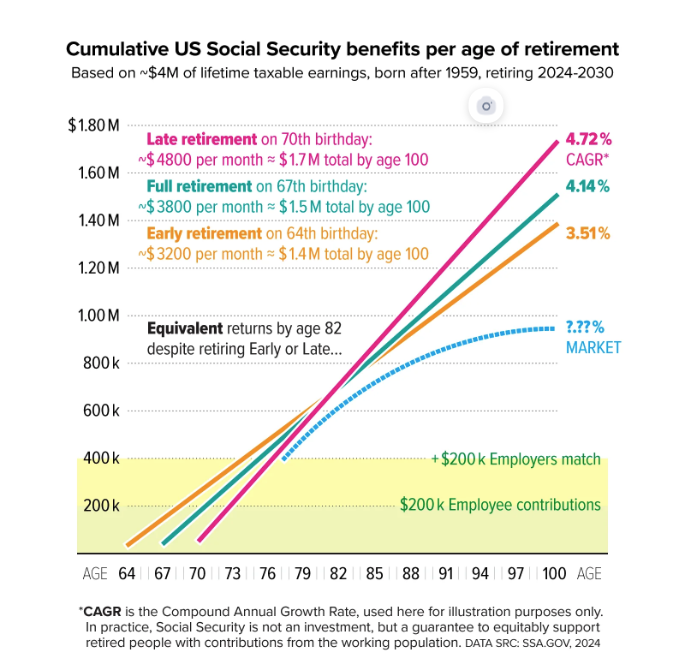
  • Over 60? 4 Nuts You MUST Eat (and 4 You Should NEVER Touch) — A Doctor-Backed Guide to Brain, Heart, and Gut Health

    Meta description: Discover which nuts scientifically support brain health, heart health, and longevity after 60 — and which ones carry hidden risks like sodium overload, toxic mold, and cyanide compounds that aging bodies can’t safely process.

    Somewhere around age 60, your body quietly rewrites its own rulebook. Stomach acid production declines. Kidney filtration slows. The liver’s ability to clear toxins drops. Blood vessels stiffen, and the brain becomes more vulnerable to Oxidative Stress and inflammation. None of this is cause for alarm — it’s simply biology. But it does mean that foods you tolerated easily at 35 can behave very differently in your body at 65 or 75.

    Nuts sit right at the center of this shift. They are nutrient-dense powerhouses, packed with healthy fats, plant protein, fiber, and micronutrients that directly target the biological processes of aging — Cognitive Decline, Cardiovascular Health, chronic low-grade inflammation, and gut health. Large studies, including the landmark PREDIMED trial and multiple analyses from the Nurses’ Health Study, consistently link regular nut consumption to better metabolic and cognitive outcomes in older adults.

    But not all nuts — and not all forms of nuts — are created equal once you’re past 60. Some varieties and preparations can quietly strain an aging heart, kidneys, or digestive tract. This guide walks through both sides of that equation: the nuts worth reaching for daily, and the ones that deserve real caution.

    Medical note: This article is for educational purposes and does not replace personalized advice from your physician or registered dietitian, especially if you take blood thinners, have kidney disease, or have a diagnosed nut allergy.


    1. Walnuts — The Brain-Protective Nut

    Key Nutrients: Walnuts are the richest common nut source of Alpha-Linolenic Acid (ALA), a plant-based omega-3 fatty acid, along with polyphenols, vitamin E, and melatonin precursors.

    • 2.5 grams of ALA per ounce (the highest of any nut)
    • Ellagitannins, converted by gut bacteria into urolithins with anti-inflammatory activity
    • 4 grams of plant protein and 2 grams of fiber per ounce

    The Health Impact on Seniors: ALA is a structural building block the brain uses to help maintain neuronal membrane flexibility, which matters as natural cognitive changes occur with age. Walnuts’ polyphenols also help neutralize Oxidative Stress, one of the core drivers behind age-related decline in memory and processing speed. On the cardiovascular side, regular walnut consumption has been associated with improved endothelial function — the ability of blood vessels to relax and maintain healthy circulation — which matters enormously as arteries naturally stiffen with age.

    Scientific Context: The Walnuts and Healthy Aging (WAHA) study, a two-year randomized clinical trial in cognitively healthy older adults, was specifically designed around the hypothesis that daily walnut consumption supports brain and retinal health, building on cardioprotective and vascular findings already established in prior research. Earlier work from the PREDIMED trial found that older adults following a Mediterranean diet enriched with nuts — including walnuts — showed improved cognitive performance compared to a control diet after several years of follow-up. Separately, large NHANES-based analyses of U.S. adults aged 60 and older have found that regular walnut consumers tend to score better on measures of memory and global cognitive status.

    Senior tip: Aim for a small daily handful (about 1 ounce, or 7 whole walnuts) — more than that adds unnecessary calories without added benefit.

    2. Almonds — The Gut and Cholesterol Ally

    Key Nutrients: Almonds are the top nut source of Vitamin E (a fat-soluble antioxidant), along with magnesium, calcium, and a unique fiber-rich skin that feeds beneficial gut bacteria.

    • 7.3 mg of vitamin E per ounce — about half the daily recommended intake
    • 76 mg of magnesium per ounce, supporting nerve and muscle function
    • Prebiotic fiber that supports a healthy gut microbiome

    The Health Impact on Seniors: Vitamin E helps protect cell membranes throughout the body from oxidative damage, a process implicated in both skin aging and neurodegeneration. Just as importantly for older adults, almonds’ fiber and unsaturated fat content have repeatedly been shown to help lower **LDL cholesterol** (“bad” cholesterol) without lowering protective HDL cholesterol. Because digestive efficiency and gut microbial diversity both tend to decline with age, almonds’ prebiotic effect on the gut lining is a quiet but meaningful benefit — supporting nutrient absorption at a stage of life when malabsorption becomes more common.

    Scientific Context: Harvard Health Publishing and multiple peer-reviewed meta-analyses have linked daily almond consumption to modest but consistent reductions in LDL cholesterol, supporting American Heart Association dietary recommendations that emphasize nuts as a replacement for saturated-fat snacks. Research on almond skins specifically has demonstrated prebiotic activity, encouraging the growth of beneficial Bifidobacteria and Lactobacilli populations important for digestive resilience in older adults.

    3. Pistachios — The Antioxidant and Blood Pressure Nut

    Key Nutrients: Pistachios stand out for lutein and zeaxanthin (carotenoid antioxidants usually associated with leafy greens), potassium, and a favorable protein-to-calorie ratio.

    • Highest potassium content among common tree nuts
    • Lutein and zeaxanthin, carotenoids concentrated in the retina
    • Complete plant protein profile with all nine essential amino acids in modest amounts

    The Health Impact on Seniors: Potassium plays a direct role in counterbalancing sodium’s effect on blood pressure, an increasingly important factor as vascular stiffness naturally rises with age. Pistachios’ lutein and zeaxanthin accumulate in the retina, where they’re believed to filter high-energy light and reduce oxidative damage linked to age-related macular degeneration, one of the leading causes of vision loss in adults over 60. Their shell-on serving style is also a practical advantage: the extra time needed to shell each nut naturally slows consumption and supports portion control.

    Scientific Context: Clinical trials published in nutrition journals have associated pistachio consumption with modest improvements in blood pressure and arterial function in adults with metabolic risk factors. Because pistachios are also a good source of vitamin B6, which supports neurotransmitter synthesis, some researchers have proposed a secondary role in mood and cognitive support, though this evidence is still less robust than the cardiovascular findings.

    4. Macadamia Nuts — The Anti-Inflammatory Fat Source

    Key Nutrients: Macadamias have the highest monounsaturated fat content of any tree nut, along with flavones and tocotrienols (a lesser-known form of vitamin E).

    • Over 80% monounsaturated fat, similar in profile to olive oil
    • Palmitoleic acid, a fatty acid also produced naturally in human fat tissue
    • Tocotrienols with distinct antioxidant activity from standard vitamin E

    The Health Impact on Seniors: The predominantly monounsaturated fat profile of macadamias has been associated with favorable changes in cholesterol ratios, supporting Cardiovascular Health without the higher polyunsaturated fat load found in some other nuts. Their anti-inflammatory fatty acid profile may also offer modest support for joint comfort, since chronic low-grade inflammation is a known contributor to the stiffness many people notice in their 60s and beyond. Macadamias are also naturally lower in phytic acid than some other nuts, which can make their minerals somewhat easier for an aging digestive system to absorb.

    Scientific Context: Studies comparing macadamia-enriched diets to typical Western diets have found improvements in LDL cholesterol and lipid ratios, comparable in some analyses to the effects seen with olive-oil-based Mediterranean diets. Because macadamias are calorie-dense, most dietary guidance recommends limiting servings to a small handful (about 10–12 nuts) rather than treating them as a free food.


    1. Bitter (Raw, Unprocessed) Almonds — The Cyanide Risk

    Key Toxins: Wild or “bitter” almond varieties contain amygdalin, a compound that releases hydrogen cyanide when metabolized in the digestive tract.

    • Amygdalin breaks down into hydrogen cyanide during digestion
    • As few as 7–10 raw bitter almonds can cause toxicity symptoms in an adult
    • Commercially sold “sweet” almonds are a different, safe cultivar — but imported or unregulated bitter almond products still circulate in some markets

    The Biological Impact on Seniors: Cyanide interferes with the body’s ability to use oxygen at the cellular level. In younger, healthier adults, the liver can sometimes detoxify small amounts, but aging livers and kidneys have a reduced capacity to clear toxins efficiently. This means seniors face a lower safety margin and a higher risk of symptoms like dizziness, confusion, and breathing difficulty from the same exposure level that a younger person might tolerate.

    Scientific Context: Regulatory agencies including the FDA restrict the sale of raw bitter almonds in the United States specifically because of documented cyanide poisoning cases. Toxicology literature has long established amygdalin-derived cyanide as the mechanism of harm, and case reports continue to appear where bitter almonds or “apricot kernels” marketed as health foods have caused acute poisoning, underscoring why sourcing matters as much as the nut itself.

    2. Heavily Salted or Roasted Peanuts — The Blood Pressure Spike

    Key Toxins/Concerns: The concern here isn’t the peanut itself but the sodium load added during commercial roasting and salting.

    • A single ounce of heavily salted peanuts can contain over 200 mg of sodium — and some flavored varieties exceed 400 mg
    • Roasting at high heat can also degrade healthy fats and generate acrylamide, a compound formed when starchy or protein-rich foods are cooked at high temperatures

    The Biological Impact on Seniors: Kidney function naturally declines with age, reducing the body’s ability to excrete excess sodium efficiently. This makes older adults more susceptible to sodium-driven blood pressure spikes, which strain already-stiffening arteries and raise the risk of stroke and heart disease. Because salted nuts are easy to overeat in large quantities while watching television or socializing, portion creep is a real and underappreciated risk factor in this age group.

    Scientific Context: The American Heart Association and Mayo Clinic both flag high-sodium snack foods, including salted nuts, as a modifiable risk factor for hypertension in older adults, recommending unsalted or dry-roasted alternatives instead. Research on dietary sodium and vascular aging consistently shows that even modest reductions in sodium intake can meaningfully lower blood pressure in adults over 60, a population already more sensitive to sodium’s pressor effects than younger adults.

    3. Rancid or Improperly Stored Nuts (Especially Walnuts and Pecans) — The Oxidative Stress Trap

    Key Toxins: Nuts high in polyunsaturated fat, particularly walnuts and pecans, are prone to oxidation once exposed to heat, light, or long storage — producing lipid peroxides and free radicals.

    • Rancidity often isn’t obvious by smell alone once oxidation is advanced
    • Oxidized fats generate reactive compounds linked to cellular damage
    • Nuts stored at room temperature for months are at highest risk

    The Biological Impact on Seniors: Ironically, the very nuts most praised for fighting Oxidative Stress can become a source of it once their fats degrade. Consuming rancid fats introduces free radicals directly into the body at a life stage when antioxidant defenses are already working harder to keep up with age-related cellular damage. This can also cause digestive discomfort, including nausea and bloating, in a digestive system that’s already more sensitive to irritation.

    Scientific Context: Food science research has consistently shown that walnuts and pecans, due to their high polyunsaturated fat content, oxidize faster than more stable nuts like macadamias or almonds. Nutrition authorities recommend refrigerating or freezing shelled walnuts and pecans to slow this process, since oxidative degradation accelerates significantly at room temperature, particularly in warm or humid climates.

    4. Mold-Contaminated Peanuts and Tree Nuts — The Aflatoxin Danger

    Key Toxins: Improperly stored peanuts, and to a lesser extent almonds, walnuts, pistachios, and Brazil nuts, can harbor Aflatoxins — toxic metabolites produced by the molds Aspergillus flavus and Aspergillus parasiticus.

    • Aflatoxin B1 is classified by the International Agency for Research on Cancer as a Group 1 human carcinogen
    • Contamination risk rises with heat, humidity, and prolonged or improper storage
    • The liver is the primary organ affected by long-term exposure

    The Biological Impact on Seniors: Aflatoxins are metabolized in the liver, and chronic exposure has been linked to liver damage and elevated hepatocellular carcinoma risk. Because liver function and detoxification capacity naturally decline with age, seniors have less physiological reserve to process even the low-level aflatoxin exposure that can occur through everyday consumption of poorly stored bulk nuts. This risk is compounded for anyone with pre-existing liver conditions, where research shows aflatoxin exposure can multiply cancer risk substantially.

    Scientific Context: The National Cancer Institute identifies aflatoxins as a family of toxins associated with an increased risk of liver cancer, produced by fungi found on crops including peanuts and tree nuts. Research on populations with chronic hepatitis B infection has demonstrated a synergistic, multiplicative increase in liver cancer risk when combined with high aflatoxin exposure, illustrating how pre-existing organ vulnerability changes the risk calculation. The FDA and USDA maintain regulatory limits on aflatoxin content in commercial peanuts specifically to manage this long-recognized public health risk, but bulk-bin or improperly imported products carry higher uncertainty.

    Senior tip: Buy nuts from high-turnover retailers, check for any grayish discoloration or musty smell, and avoid bulk bins that have been sitting for unknown periods, especially in warm, humid storage conditions.


    • Choose raw or dry-roasted, unsalted walnuts, almonds, pistachios, or macadamias as your daily go-to.
    • Stick to a single handful (about 1 ounce) per day — enough for benefit, not so much that calories or fat intake becomes a concern.
    • Store polyunsaturated-rich nuts like walnuts and pecans in the refrigerator or freezer to prevent oxidation.
    • Read labels and avoid heavily salted, honey-roasted, or candy-coated varieties that hide excess sodium and sugar.
    • Buy from reputable, high-turnover sources to minimize aflatoxin and rancidity risk.

    Nuts remain one of the simplest, most evidence-backed additions you can make to a healthy-aging diet. A daily handful of walnuts, almonds, pistachios, or macadamias delivers a concentrated dose of brain-protective fats, cholesterol-lowering compounds, and anti-inflammatory antioxidants — all wrapped in a convenient, satisfying snack. But awareness matters just as much as inclusion: steering clear of rancid, moldy, over-salted, or improperly sourced nuts protects an aging heart, liver, and digestive system from unnecessary strain.


    [A warm closing remark to wrap up the piece]

    “Eating nuts is good for your health, but it shouldn’t feel like a chore. Taking a moment each day to enjoy a small handful of nuts is a commitment to treating your body with care—and one of the easiest ways to show it love. Why not dedicate a spot in your fridge to storing nuts fresh, starting today? A reliable form of ‘insurance’ for your future well-being begins right there on your dining table.”

    Have a great day today, too.

    Medical Disclaimer: This article is provided for general educational and informational purposes only and does not constitute medical advice. It is not intended to diagnose, treat, cure, or prevent any disease, and should not replace consultation with a qualified healthcare provider. Individual nutritional needs vary based on medical history, medications (including blood thinners), allergies, and existing health conditions. Always consult your physician, cardiologist, or a registered dietitian before making significant changes to your diet, particularly if you are over 60 or managing a chronic health condition. Senior Health Cafe and its authors assume no liability for actions taken based on the content of this article.

  • 5 Fruits That May Help Shrink an Enlarged Prostate: What Urology Research Actually Shows

    Meta description suggestion: An enlarged prostate (BPH) can wreck your sleep and your bathroom trips. We reviewed the science behind 5 fruits urologists often recommend — checking PubMed and NCBI data on lycopene, beta-sitosterol, and more — to see what’s proven and what’s still promising.


    If You’re Up Three Times a Night, You’re Not Alone

    You know the routine. You finally fall asleep, and an hour or two later, your bladder wakes you up again. You shuffle to the bathroom, stand there longer than you’d like, and the stream that used to be strong now starts and stops. This isn’t just “getting older” — it’s one of the most common conditions in aging men, called Benign Prostatic Hyperplasia (BPH), a non-cancerous enlargement of the prostate gland.

    The numbers are striking: research shows BPH affects roughly 50% of men over age 50, and that number climbs to 90% of men by age 80. It’s not rare — it’s nearly universal if you live long enough. The good news is that BPH is one of the more manageable conditions of aging, and a growing body of peer-reviewed research suggests that specific compounds found in everyday fruits can meaningfully support prostate health, ease urinary symptoms, and work alongside — not replace — whatever your urologist has recommended.

    We pulled the actual clinical trials and systematic reviews from PubMed and NCBI for five fruits commonly recommended by urologists, so you know exactly what’s backed by real evidence and what’s still emerging science.

    A quick, honest note before we start: No fruit replaces medical evaluation or treatment for BPH. Some of the evidence below is strong (human clinical trials); some is early (lab and animal studies). We’ve flagged which is which, because your health deserves accuracy, not hype.


    The Active Compound

    Tomatoes are the richest common dietary source of Lycopene, a bright-red carotenoid pigment and one of the most potent antioxidants found in the plant kingdom.

    The Biological Mechanism

    Lycopene works primarily by neutralizing oxidative stress — the cellular damage caused by free radicals that accumulates in prostate tissue over decades. Because the prostate is metabolically active and constantly exposed to hormonal signaling, it’s especially vulnerable to this kind of oxidative wear. Lycopene’s antioxidant action appears to help calm the chronic low-grade inflammation and cellular stress that drive prostate tissue overgrowth. Some research also points to lycopene’s role in modulating insulin-like growth factor-1 (IGF-1), a hormone linked to abnormal cell proliferation in the prostate.

    Scientific/Journal Validation

    • A randomized controlled trial published in a peer-reviewed nutrition journal found that men with BPH taking 15 mg/day of lycopene for 6 months showed no further prostate enlargement, while the placebo group’s prostates continued to grow, and the lycopene group also saw a measurable drop in PSA (prostate-specific antigen) levels.
    • A more recent double-blind clinical trial combining lycopene with a supporting tomato compound (FruHis) found improvements in IGF-1 levels and symptom scores among BPH patients over 8 weeks.
    • Important caveat: a broader Cochrane-style systematic review of the existing randomized trials concluded that, while promising, the overall body of evidence is still too limited in size and quality to definitively confirm lycopene as a standalone treatment for BPH. It’s a supportive tool, not a proven cure.

    Practical Dietary Advice

    • Lycopene absorbs better when tomatoes are cooked, not raw — cooking breaks down plant cell walls and releases more lycopene. Tomato sauce, soup, and paste are more bioavailable than a fresh salad.
    • Pair cooked tomatoes with a source of healthy fat (like olive oil) — lycopene is fat-soluble and absorbs far better this way.
    • Aim for tomato-based dishes several times a week rather than relying on occasional raw tomato slices.

    The Active Compound

    Pomegranates are exceptionally high in punicalagins and ellagitannins, polyphenol compounds that the body converts into smaller metabolites called urolithins during digestion.

    The Biological Mechanism

    Pomegranate polyphenols appear to work through an anti-inflammatory pathway, specifically by inhibiting a cell-signaling protein called NF-κB, which drives inflammation and abnormal cell proliferation in prostate tissue. Laboratory studies have also shown pomegranate compounds slow the growth of prostate cell lines directly. Notably, researchers found this effect does not appear to work by lowering testosterone or other hormones — it seems to act more through antioxidant and anti-proliferative pathways than hormonal ones.

    Scientific/Journal Validation

    • An early Phase II clinical trial found that daily pomegranate juice significantly lengthened PSA doubling time (a marker of how quickly prostate cell activity is progressing) in men being monitored after prostate treatment.
    • A larger, well-designed UK randomized trial combining pomegranate with green tea, broccoli, and turmeric found the treatment group’s PSA rose only 14.7% over six months, compared to a 78.5% rise in the placebo group.
    • Honest caveat: Not all trials agree. Two subsequent placebo-controlled randomized trials using pomegranate extract alone found no significant benefit on PSA progression, and researchers have suggested polyphenol concentration and product quality may explain the inconsistent results. Pomegranate is promising, but the evidence is genuinely mixed — this is a case where more research is still needed.

    Practical Dietary Advice

    • Choose 100% pure pomegranate juice with no added sugar, or eat the fresh arils (seeds) directly for maximum polyphenol content.
    • A daily 4–8 oz serving is a reasonable, low-risk addition — but treat it as a supportive habit, not a guaranteed fix.
    • Pomegranate seeds also add fiber, which supports overall metabolic and urinary health.

    The Active Compound

    Avocado is one of the richest food sources of Beta-Sitosterol, a plant sterol structurally similar to cholesterol that’s one of the most researched natural compounds for urinary symptoms related to BPH.

    The Biological Mechanism

    Beta-sitosterol is believed to work by reducing inflammation in prostate tissue and improving the function of the smooth muscle and urethral lining affected by BPH, which helps ease the obstruction that causes weak stream and incomplete emptying. Unlike some other compounds on this list, its main documented effect is on urinary flow and symptom relief — not necessarily shrinking the prostate itself.

    Scientific/Journal Validation

    • A well-known Cochrane systematic review of randomized, placebo-controlled trials found beta-sitosterol preparations meaningfully improved urinary symptom scores and peak urine flow measures in men with BPH, and were well tolerated with a low withdrawal/side-effect rate.
    • Important honesty point directly from that same Cochrane review: beta-sitosterol did not reduce measured prostate size in the trials studied. Its documented benefit is symptom relief and improved flow — a real and clinically meaningful outcome, but a different one than “shrinking” the gland.
    • Long-term safety and effects on preventing BPH complications (like urinary retention) are still not fully established, per the review’s authors.

    Practical Dietary Advice

    • Add half an avocado to a daily meal — sliced on toast, in a salad, or blended into a smoothie.
    • Avocado’s healthy monounsaturated fat content also helps the body absorb other fat-soluble nutrients on this list, like lycopene.
    • Because avocado is calorie-dense, portion it as an addition to a meal rather than doubling your usual food intake.

    The Active Compound

    Citrus fruits deliver a combination of Vitamin C and citrus-specific flavonoids, most notably Hesperidin, concentrated in the pulp and inner peel.

    The Biological Mechanism

    Hesperidin has demonstrated anti-inflammatory effects in laboratory and animal research by reducing key inflammatory markers — including IL-6, IL-1β, and TNF-α — that are elevated in BPH tissue and are believed to be partly driven by Dihydrotestosterone (DHT), the potent hormone most responsible for prostate tissue overgrowth. Animal studies specifically found hesperidin eased BPH progression through a cellular pathway called TGF-β1/Smad signaling, which regulates tissue growth and scarring. Vitamin C independently supports collagen integrity in surrounding tissue and contributes general antioxidant protection.

    Scientific/Journal Validation

    • Peer-reviewed animal research has shown hesperidin measurably reduces BPH-related inflammatory markers and tissue changes in rodent models.
    • Cell-culture studies on human prostate cancer cell lines have found citrus flavonoids like hesperidin and hesperetin can suppress abnormal cell proliferation through oxidative-stress and cell-cycle mechanisms.
    • Honest caveat: Large-scale human clinical trials specifically testing citrus fruit or hesperidin supplementation for BPH symptoms are still lacking. The mechanism is well-documented at the cellular and animal level; human confirmation is the next step researchers are calling for.

    Practical Dietary Advice

    • Eat the fruit itself rather than juice alone — much of the hesperidin is concentrated in the white pith and inner peel, which gets left behind when juicing.
    • A daily orange, or grapefruit segments (checking first for any medication interactions, since grapefruit affects certain drug metabolism), is a simple, low-cost habit.
    • Adding lemon zest to cooking is a practical way to include more of the flavonoid-rich peel.

    The Active Compound

    Dark berries owe their deep color to Anthocyanins, a class of flavonoid pigments recognized as some of the most potent dietary antioxidants studied.

    The Biological Mechanism

    Anthocyanins work primarily by reducing oxidative stress and dampening pro-inflammatory signaling at the cellular level, similar in principle to lycopene but through distinct chemical pathways. Chronic oxidative stress and low-grade inflammation are two of the most consistently identified drivers of prostate tissue overgrowth in BPH research, which makes this class of compounds broadly relevant to prostate health, alongside its well-documented benefits for cardiovascular and cognitive health.

    Scientific/Journal Validation

    • Broader nutritional science literature consistently links regular anthocyanin-rich berry consumption to reduced systemic inflammatory markers in older adults.
    • Honest caveat: Compared to lycopene and beta-sitosterol, there is far less BPH-specific human clinical trial data directly testing berries or isolated anthocyanins against urinary symptoms or prostate volume. Their inclusion here rests more on their well-established general anti-inflammatory and antioxidant profile — both mechanistically relevant to BPH — than on dedicated prostate trials. This is a “supportive by mechanism” fruit rather than a “proven by BPH-specific trial” fruit, and we want you to know that distinction.

    Practical Dietary Advice

    • A daily half-cup to one cup of fresh or frozen blueberries or blackberries is an easy, low-sugar way to add antioxidant support to breakfast.
    • Frozen berries retain nearly the same anthocyanin content as fresh and are often more affordable and available year-round.
    • Adding berries to oatmeal, yogurt, or a smoothie also supports steady blood sugar, which matters since poorly controlled blood sugar is separately linked to worse BPH symptoms.

    Putting It Together: A Realistic Weekly Approach

    • Daily: A serving of cooked tomato (sauce or soup) and a citrus fruit.
    • Most days: Half an avocado and a handful of berries.
    • A few times a week: A small glass of pure pomegranate juice or a handful of fresh arils.
    • Always: Pair with a fat source (olive oil, avocado, nuts) to help absorb the fat-soluble compounds like lycopene.

    The Encouraging Truth: BPH Is Manageable

    An enlarged prostate is common, frustrating, and completely normal to feel discouraged about — but it is also one of the more manageable conditions that comes with aging. The research reviewed here shows that consistent, evidence-informed dietary habits can genuinely support urinary comfort, reduce inflammatory burden, and work as a meaningful complement to whatever treatment plan you and your urologist have in place. You don’t need a dramatic overhaul — just a few intentional swaps at the grocery store and a little consistency. Small, daily choices, repeated over months, are exactly how real prostate health improvement happens.

    [Recommended as a concluding sentence]


    “A diet for prostate health is not a ‘cure-all medication,’ but rather a source of ‘healthy fruits’ that empower your body to care for itself. View that plate of tomatoes and half an avocado on your table today as an investment in your comfort at night—something that goes far beyond merely filling your stomach. And look forward to how this small change, starting today, will transform your quality of life in the months to come.”


    Have a great day today, too.

    This article is for informational and educational purposes only and does not constitute medical advice. BPH symptoms can sometimes overlap with more serious prostate conditions, so any new or worsening urinary symptoms should be evaluated by a urologist. Always talk to your doctor before starting new supplements, especially if you take blood thinners, blood pressure medication, or statins, as some citrus fruits (notably grapefruit) can interact with certain medications.

    Sources referenced: PubMed and NCBI-indexed clinical trials and systematic reviews on lycopene and BPH (including randomized controlled trials on lycopene supplementation and prostate volume/PSA); Cochrane systematic reviews on beta-sitosterol for BPH; peer-reviewed Phase II clinical trials on pomegranate polyphenols and PSA doubling time; peer-reviewed animal and cell-culture research on hesperidin and BPH-related inflammatory markers; nutritional science literature on anthocyanins and systemic inflammation.

  • Doctor’s Warning: 5 Everyday Reheated Foods Linked to Pancreatic Cancer Risk (And the Science Behind It)

    Meta description suggestion: A doctor’s warning about reheated foods is going viral. We cross-checked the claims against IARC, WHO, and peer-reviewed research to separate real risk from kitchen myth — plus the simple fixes that protect your pancreas.


    Here is a number that should stop every home cook in their tracks: the five-year survival rate for pancreatic cancer sits at just 12–13%, even in 2025 data from the American Cancer Society. For patients diagnosed with the most common form of the disease, pancreatic adenocarcinoma, that number drops to roughly 8%. Unlike breast or colon cancer, pancreatic cancer rarely announces itself early. By the time symptoms appear, the disease has often already spread.

    This is precisely why prevention matters so much more for the pancreas than for almost any other organ. A recent video by Dr. Michael Kent, “Doctor Warns: These 5 Reheated Foods Increase the Risk of Pancreatic Cancer,” has resonated with millions of home cooks — especially older adults who grew up with a “waste not, want not” mindset around leftovers.

    But a video is not a medical journal. So we did what any responsible health publication should do: we went back to the primary science — the International Agency for Research on Cancer (IARC), the World Health Organization (WHO), and peer-reviewed studies indexed on PubMed — to verify, expand, and correct the claims where necessary. What follows is not fear-mongering. It is an evidence-based breakdown of five reheating habits that quietly stress your pancreas, your DNA, and your gut — and exactly how to fix each one tonight.

    Quick disclaimer: No single food or leftover meal “causes” pancreatic cancer on its own. Cancer develops from cumulative, repeated exposure over years, combined with genetics, smoking, obesity, and chronic inflammation. Think of this article as risk-reduction, not panic.


    The Chemical Transformation

    Vegetable oils like sunflower, corn, and soybean oil are prized for cooking because they’re light and neutral-tasting — but that’s also their weakness. These oils are high in polyunsaturated fatty acids (PUFAs), which are chemically unstable. Every time you reheat oil — especially oil that’s already been used for frying once — you expose it to a second (or third) round of high heat and oxygen. This triggers a process called lipid peroxidation.

    The Pancreas Connection

    Lipid peroxidation generates a family of toxic byproducts known as aldehydes, including 4-hydroxynonenal (4-HNE) and malondialdehyde (MDA). These aren’t trace contaminants — repeatedly heated oils can accumulate them at levels high enough to matter biologically. Once ingested, these reactive aldehydes bind to proteins and DNA, forming what scientists call DNA adducts. Over time, this DNA corruption can impair the body’s ability to repair damaged cells correctly, while simultaneously generating free radicals that fuel chronic oxidative stress. The pancreas, which is rich in fat-digesting enzymes and constantly exposed to dietary lipids, is considered particularly vulnerable to this kind of oxidative and inflammatory burden — a pattern researchers have connected to chronic pancreatitis, a well-established risk factor for pancreatic cancer.

    Scientific Context

    • Multiple food-chemistry studies on repeatedly heated vegetable oils confirm a sharp rise in aldehyde concentration with each reheating cycle, particularly in oils reused for deep frying.
    • 4-HNE is one of the most extensively studied lipid peroxidation products in cancer biology, with research linking chronic exposure to genotoxic (DNA-damaging) effects in multiple organ systems.
    • The WHO and major nutrition bodies have long flagged repeated deep-frying and oil reuse as a food-safety and chronic-disease concern, independent of this specific video.

    The Safe Practical Fix

    • Never reuse frying oil more than once — and never reuse oil that has visibly darkened, smells rancid, or has started foaming.
    • When reheating fried foods, use an air fryer or oven instead of a fresh pan of oil — this crisps the exterior without adding another oxidation cycle.
    • Choose more heat-stable fats for cooking (like avocado oil or olive oil) rather than delicate PUFA-rich oils, especially for high-heat methods.
    • Store used cooking oil in a sealed, opaque container away from light and heat if you must reuse it once — light and heat both accelerate oxidation.

    The Chemical Transformation

    Leafy greens are naturally high in nitrates — a compound that’s actually beneficial in fresh vegetables, supporting healthy blood pressure and circulation. The problem starts after cooking. Once spinach, kale, or chard sits at room temperature (even briefly) or is left in the fridge, naturally occurring bacteria begin converting those nitrates into nitrites.

    The Pancreas Connection

    When nitrite-rich cooked greens are reheated — especially in a microwave, which heats unevenly — the nitrites can react with amino acids (protein building blocks) present in the food. This reaction forms nitrosamines, a class of compounds that are among the most well-documented dietary carcinogens in food science. Nitrosamines are considered genotoxic, meaning they directly damage DNA, and animal studies have repeatedly linked them to pancreatic tumor formation specifically, not just generalized cancer risk.

    Scientific/Journal Context

    • The International Agency for Research on Cancer (IARC) classifies several nitrosamine compounds (including NDMA and NDEA) as Group 2A — “probably carcinogenic to humans” — based on consistent, strong evidence from animal studies and mechanistic data showing they damage DNA.
    • The same nitrite-to-nitrosamine chemistry is the reason the IARC classified processed meats (which are cured with nitrites) as Group 1 carcinogens — this is a well-established biochemical pathway, not a fringe theory.
    • Nitrosamines are recognized as inducing tumors in the digestive tract and pancreas specifically in laboratory models, which is why food safety agencies monitor nitrite/nitrosamine levels closely.

    The Safe Practical Fix

    • Cook only what you’ll eat. Leafy greens are the one food category nutritionists most consistently advise against reheating a second time.
    • If you do have leftover greens, refrigerate them within one hour of cooking to slow bacterial nitrate-to-nitrite conversion.
    • Eat refrigerated cooked greens cold or lightly warmed only once, within 24 hours — avoid multiple reheating cycles.
    • Consider steaming a fresh small portion instead of microwaving leftovers when possible — spinach and kale cook in under 3 minutes.

    The Biological Transformation

    This is the most well-documented food-safety risk on this list, and it doesn’t come from cooking at all — it comes from what happens before you ever put rice in the pot. Raw rice can carry spores of Bacillus cereus, a bacterium that survives normal cooking temperatures because its spores are heat-resistant. If cooked rice is left at room temperature, those spores germinate and multiply, producing a heat-stable toxin called cereulide.

    The Pancreas Connection

    Here’s the critical detail most home cooks don’t know: reheating does not destroy this toxin. Cereulide survives microwave and stovetop reheating because it’s stable at normal cooking temperatures. While a single episode typically causes acute vomiting or diarrhea rather than cancer directly, repeated low-level exposure to bacterial toxins contributes to chronic, low-grade gut inflammation. Emerging research on the “gut-pancreas axis” — the communication pathway between intestinal bacteria, gut inflammation, and pancreatic health — suggests that chronic intestinal inflammation and a disrupted gut microbiome may promote systemic inflammatory signaling that reaches the pancreas over time.

    Scientific/Journal Context

    • Bacillus cereus food poisoning from reheated rice is well documented in food-safety literature and is commonly referred to informally as “fried rice syndrome.”
    • Gut microbiome research published in journals covering gastroenterology and oncology increasingly points to a bidirectional relationship between intestinal dysbiosis and pancreatic inflammation, though this field of research is still developing and causation in humans is not yet firmly established.
    • Chronic inflammation, regardless of its source, is a recognized contributor to cellular changes that can eventually raise cancer risk over years or decades — this is basic, well-accepted oncology, even where the rice-specific pancreatic link is still emerging science.

    The Safe Practical Fix

    • Cool cooked rice within one hour of cooking — don’t let it sit on the counter through a meal.
    • Store rice in the refrigerator in a shallow, sealed container to cool it quickly and evenly.
    • Only reheat rice once, and make sure it’s steaming hot all the way through, not just warm.
    • When in doubt, throw it out — rice that’s been at room temperature for more than two hours is not worth the risk.

    The Biological Transformation

    Chicken is one of the most common sources of foodborne illness, and reheating done incorrectly makes it worse rather than safer. Microwaves are notorious for creating “cold spots” — areas within the food that never reach a bacteria-killing temperature because microwaves heat unevenly. These cold spots, combined with the moisture naturally present in poultry, create a warm, humid micro-environment that’s essentially an incubator for bacteria like Salmonella and Campylobacter.

    The Pancreas Connection

    When these pathogens survive reheating and are ingested, the immune system launches a full inflammatory response to fight the infection. This isn’t localized — it’s systemic. Repeated bouts of foodborne bacterial infection place a cumulative inflammatory burden on the body, and the pancreas, as both a digestive and endocrine organ sitting downstream of gut inflammation, is not exempt from this toll. Chronic or repeated inflammatory insults are a recognized contributor to the tissue damage that, over years, can create conditions favorable to cellular mutation.

    Scientific/Journal Context

    • The CDC and food safety agencies consistently identify poultry as a leading source of Salmonella and Campylobacter infections, and improper reheating is a documented contributing factor.
    • Peer-reviewed food science research confirms microwave reheating produces significantly less uniform internal temperatures than oven or stovetop methods, directly explaining the “cold spot” survival of bacteria.
    • Chronic inflammation is one of the “hallmarks of cancer” recognized in modern oncology research — it doesn’t need to be pancreas-specific to eventually affect pancreatic tissue through systemic inflammatory pathways.

    The Safe Practical Fix

    • Reheat chicken to an internal temperature of 165°F (74°C), checked with a food thermometer — not by appearance.
    • If using a microwave, stir or rotate the chicken halfway through and cover it to trap steam, which helps even out the heat.
    • Better yet, reheat in an oven or on the stovetop, which heats more evenly than a microwave.
    • Only reheat chicken once, and refrigerate leftovers within two hours of the original cooking.

    The Chemical Transformation

    Potatoes present a two-part problem when reheated, and both parts matter. First: acrylamide. This compound forms naturally through the Maillard reaction whenever starchy foods like potatoes are cooked above roughly 120°C (248°F) — think roasting, frying, or baking. Reheating potatoes, especially by re-frying or re-crisping them in an oven or air fryer, exposes them to another round of high heat, which can further increase acrylamide formation on top of what was already generated during the first cooking.

    The Pancreas Connection

    The IARC classifies acrylamide as a Group 2A probable human carcinogen, based on strong evidence from animal studies showing it damages DNA. In the body, acrylamide is converted into a metabolite called glycidamide, which forms DNA adducts and is considered the primary driver of its genotoxic effects. Separately, there’s a metabolic issue: freshly cooked and cooled potatoes contain beneficial resistant starch, a type of starch that resists digestion in the small intestine and behaves more like fiber — it’s linked to better blood sugar control. But reheating breaks down this resistant starch structure, converting it back into rapidly digestible starch. The result is a sharper glucose spike than the original meal produced. Repeated glucose spikes force the pancreas’s insulin-producing beta cells to work overtime, and chronic beta-cell overwork is a recognized contributor to metabolic stress and, over the long term, pancreatic beta-cell exhaustion.

    Scientific/Journal Context

    • IARC’s acrylamide classification (Group 2A) has been affirmed and referenced by EFSA (European Food Safety Authority), which has stated there is no fully “safe” exposure threshold, reinforcing the case for minimizing dietary acrylamide where practical.
    • Acrylamide’s DNA-damaging mechanism, via its metabolite glycidamide, is well-characterized in toxicology literature and forms the biological basis for its carcinogen classification.
    • Research on resistant starch consistently shows that cooling cooked starchy foods increases resistant starch content, while reheating reverses much of that benefit — a finding relevant to long-term metabolic and pancreatic health, given the well-established link between chronic hyperglycemia and pancreatic strain.

    The Safe Practical Fix

    • Avoid re-frying or re-crisping leftover potatoes at high heat; gently reheat in a covered pan on lower heat instead.
    • Eat cooled potatoes cold in salads when possible — this preserves the resistant starch benefit entirely and adds zero extra acrylamide.
    • When cooking potatoes fresh, aim for a golden color, not deep brown — darker, more well-done spots contain more acrylamide.
    • Pair reheated potatoes with protein or fiber (like beans or greens) to help blunt the glucose spike from lost resistant starch.

    • Cool fast: Get leftovers into the fridge within 1–2 hours of cooking.
    • Reheat once, and reheat thoroughly: Aim for steaming hot all the way through, every time.
    • Skip the second reheat on leafy greens and rice in particular — these two carry the strongest documented risk.
    • Use a thermometer for meat and poultry rather than guessing by appearance.
    • Choose oven, stovetop, or air fryer over microwave when even heating matters most.

    The Reassuring Truth: Your Body Can Recover

    None of this is meant to make you afraid of your own kitchen. The human body — and the pancreas specifically — has a remarkable capacity for repair. Chronic inflammation is not a life sentence; it’s a response to ongoing exposure, and it can be dialed back. Every small habit shift outlined above — cooling food faster, reheating more evenly, giving leafy greens and rice a little extra respect — removes one more chronic irritant from your system.

    Along with other key factors for pancreatic health—such as maintaining a healthy weight, limiting alcohol consumption, quitting smoking, and exercising regularly—these dietary changes offer real, practical benefits for protecting your pancreas, rather than remaining merely theoretical. You do not need to overhaul your diet overnight; simply start by being a bit more mindful about how you reheat your food, beginning with your next meal.


    [A warm closing remark to wrap up the piece]


    There is no need to pressure yourself by striving for perfection at the dinner table. The five principles we discussed today are not about “managing” your eating habits, but rather about giving your precious body the time it needs to heal itself. As you organize your refrigerator this evening, take pride in the fact that you have taken a small, meaningful step toward better health. Your pancreas and your body will surely remember—and reward—these thoughtful efforts of yours.

    This article is for informational and educational purposes only and does not constitute medical advice. If you have concerns about pancreatic health, digestive symptoms, or cancer risk, please consult a physician or gastroenterologist for personalized guidance.

    Sources referenced: International Agency for Research on Cancer (IARC) Monographs on nitrosamines and acrylamide; World Health Organization food safety guidance; American Cancer Society Cancer Facts & Figures 2025; SEER Cancer Stat Facts (National Cancer Institute); European Food Safety Authority (EFSA) risk assessments on N-nitrosamines and acrylamide; peer-reviewed food science and gastroenterology literature on Bacillus cereus, lipid peroxidation aldehydes, and resistant starch.