A story for everyone who starts their day with a label instead of a craving.
The alarm goes off at 6 a.m.
Before Marcus even gets out of bed, it starts. Not the day — the math. He lies there for a moment, running through what’s in the fridge. The egg whites. The unsalted oatmeal. The blueberries that are fine, the orange juice that isn’t — too much sugar, too fast. He knows this by heart now. He’s known it for three years, ever since the diagnosis landed and rearranged everything quietly, permanently, without asking.
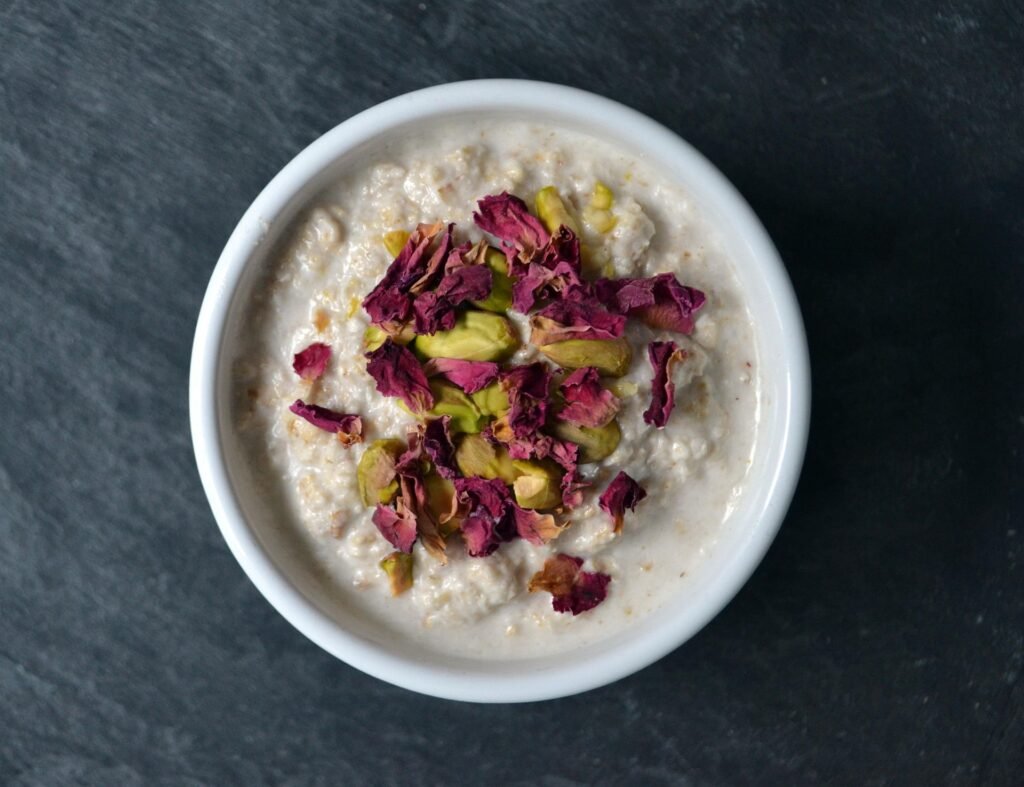
He gets up. He makes the oatmeal.
It’s not bad. He’s gotten good at not bad.
By 8:15, he’s at his desk with a travel mug of black coffee — no creamer, because the one he used to love had 5 grams of sugar per tablespoon, and he used to use three — when a coworker appears in the doorway holding a white bakery box.
“Brought donuts. Help yourself.”
Marcus smiles. “Thanks, I’m good.”
The coworker moves on. The morning moves on. Marcus turns back to his screen and does not think about the maple glazed one that used to be his favorite, the one that tasted exactly like Saturday mornings when he was a kid.
He doesn’t think about it at all.
Lunch is the packed container he prepped on Sunday. Grilled chicken, no marinade — most marinades are salt bombs. Brown rice. Roasted zucchini with a little olive oil and pepper. It’s genuinely not bad. He’s proud of this recipe, actually. It took him four tries to get it right.
His coworker across the table is eating a meatball sub. The smell alone is almost cruel.
“You always bring the healthiest food,” she says, like it’s a compliment.
Marcus nods. “Yeah.”
What he doesn’t say: I bring this because I have to. Because if I don’t, I’m navigating a menu that wasn’t built for me, flagging down servers to ask about sodium content, and eating plain grilled fish while everyone else has the pasta.
What he doesn’t say: I’m not disciplined. I’m just trying to stay alive.
That evening, his mom calls.
She’s making her pot roast on Sunday — the one with the gravy, the potatoes, the carrots slow-cooked until they’re soft and sweet and deeply savory. The one that smells like every good memory Marcus has from childhood.
“You’ll come, right?”
“Of course,” he says.
He’ll bring his own container. He’ll eat his portion before he gets there, or quietly fill his plate with the plainest things on the table. His mom will notice and say something, and he’ll reassure her, and she’ll say “just a little bit of gravy won’t hurt” — because she loves him, and because she doesn’t fully understand, and because love sometimes looks like a ladle of something he can’t have.
He’ll hug her anyway. He always does.
Before bed, Marcus checks his numbers. Blood pressure: 118/76. Three months ago it was 142/91 and his doctor had that look — the careful, measured look that means things need to change.
Things changed.
He opens a notes app on his phone where he keeps a running list. Wins. That’s what he calls it. Tonight he adds: BP stable 6 weeks in a row.
It’s a small thing. It’s also everything.
What Marcus Knows — And What He Carries
Living on a low-sodium, low-sugar, low-protein diet isn’t a phase or a cleanse. For millions of people managing diabetes, hypertension, or chronic kidney disease, it’s just Tuesday. And Wednesday. And every day after that.
What doesn’t show up in the nutrition guidelines is everything else: the mental load of reading every label, every time. The quiet grief of foods that used to bring joy. The exhaustion of explaining yourself — again — to people who mean well but don’t quite get it. The strange loneliness of being at a table full of food and not being able to eat most of it.
And yet.
The numbers improve. Slowly, often quietly, without fanfare — the body responds. The kidneys hold steadier. The pressure comes down. The A1C turns a corner. It doesn’t feel like a reward, exactly. It feels more like proof: that all those small, unseen choices added up to something real.
That the work was worth it, even when it didn’t feel like it.
To Everyone Who Has Their Own Version of Marcus’s Day
You already know that eating this way is hard. You don’t need to be told to “stay positive” or “think of it as a lifestyle.” You know the cost of every choice you make, because you’re the one making it — every single day, mostly without applause.
What I want you to know instead is this: the discipline you’ve built, the knowledge you’ve earned, the quiet strength it takes to show up for yourself when the world keeps putting maple glazed donuts in your path — that is not nothing. That is remarkable.
Your body is keeping a record of everything you’re doing for it, even when you can’t see it yet.
Keep going.
So tell me — what’s the hardest part of your day when you’re managing a restricted diet? Is it the social situations, the cravings, the mental load of planning every meal? Drop it in the comments. I’d love to know I’m not the only one thinking about this.
#ChronicIllnessLife #LowSodiumDiet #LowSugarDiet #DiabetesDiet #BloodPressureManagement #KidneyHealth #EatingWithRestrictions #HealthyEating #ChronicDisease #RealTalk
Leave a Reply